%2Ffit-in%2F250x250%2Fguide_websites%2F2218%2Fimages%2F1771288041416all4chuck_logo-1.png&w=1920&q=100)
Kids trip in Florida
%2Ffit-in%2F1000x1000%2Ffilters%3Aformat(webp)%2Fguide_websites%2F2218%2Fimages%2F1771288448220img_0230.jpeg&w=1920&q=75)
Updated: May 8, 2026
A great kids fishing trip Florida families actually enjoy usually has very little to do with chasing the biggest fish in the bay. It comes down to timing, attention span, comfort, and having a captain who knows how to keep kids engaged from the first cast to the ride back in. When parents get those pieces right, the day stops feeling like a gamble and starts feeling like one of the best memories of the trip.
What makes a kids fishing trip in Florida work
Florida gives families an advantage right away. Inshore waters are productive, the scenery changes constantly, and there is usually something happening even when the bite slows down. That matters with kids. Long quiet stretches can wear them out fast, especially if they are brand new to fishing.
The best family trips are built around steady action, easy instruction, and short runs between spots. Kids do better when they are not waiting forever for the next opportunity. They also do better when the experience feels hands-on instead of overly technical. A child who gets to bait a hook, watch a fish follow, or help net the catch stays invested in the day.
That is why private inshore charters are often the strongest fit for families. You are not trying to match the pace of a large group, and the trip can shift based on how your kids are doing. If the bite is hot, you can stay on it. If the kids need a break, a good captain can mix in some sightseeing, move to calmer water, or target a species that gives them a better shot at steady action.
Choosing the right trip length for kids
Trip length is one of the biggest make-or-break decisions. Many parents assume longer means better value, but that depends on the age of the children and how much experience they have.
For most younger kids, a 4-hour trip is the sweet spot. It is long enough to get settled, learn the basics, catch fish, and still get back before energy drops off. It also leaves less room for heat, boredom, and the kind of mid-trip crash that can turn a fun day into a tough one.
A 6-hour charter can be excellent for older kids or families with some fishing experience. It gives the captain more time to adjust locations and patterns, which can improve the overall day. If your child already loves being on the water and stays focused, that extra time can be worth it.
An 8-hour trip is usually best for serious anglers, older teens, or families planning the whole day around fishing. For younger children, that can be a lot. Even if the fishing is good, kids can hit a wall when the sun gets high or the excitement wears off. There is no prize for outlasting their attention span.
The best fish for kids to target
Not every fish is equally fun for a child to catch. Some species are exciting but require patience, precise presentation, or long stretches of waiting. Others offer more action and simpler tactics, which is usually the better call for family trips.
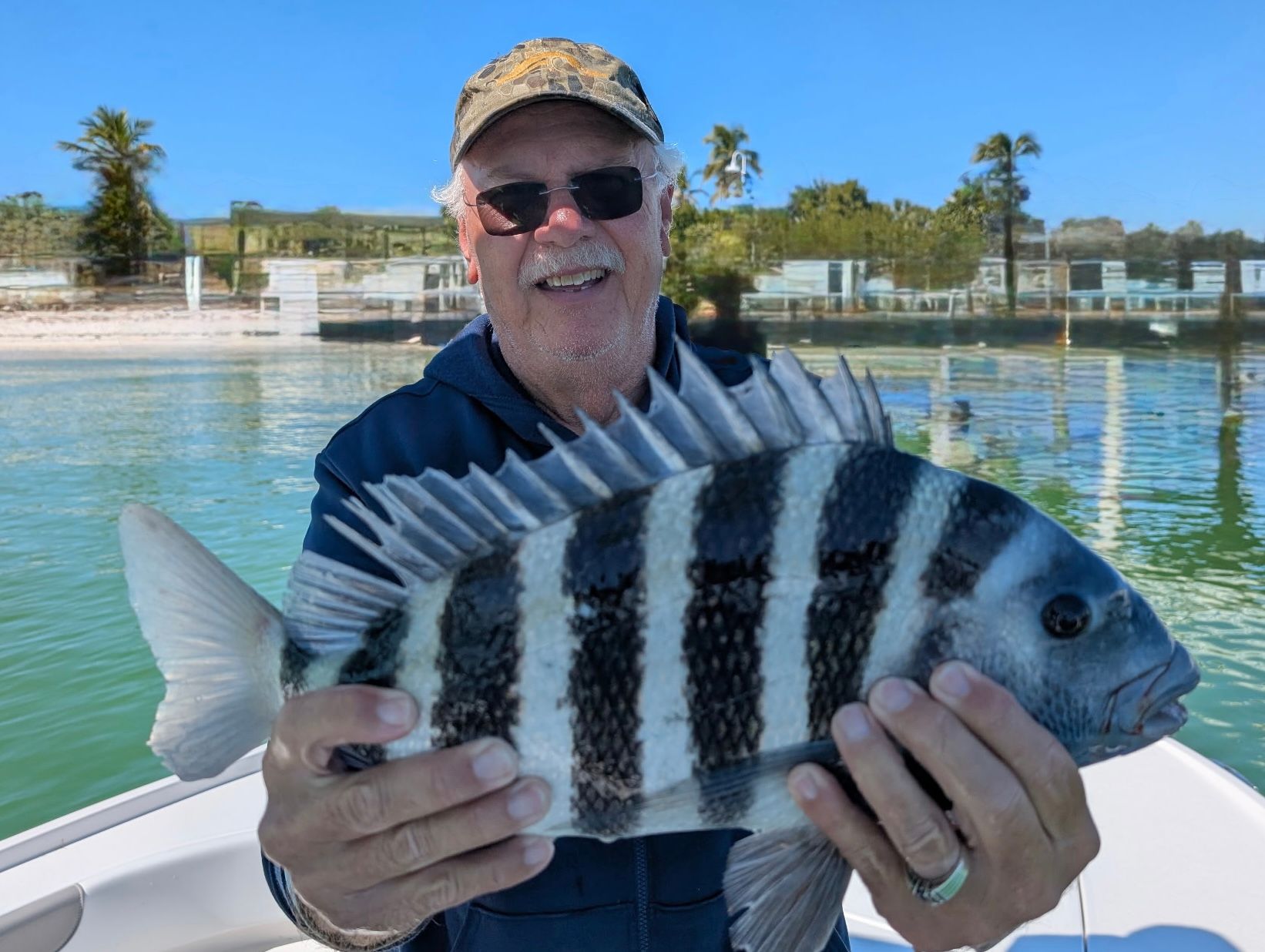
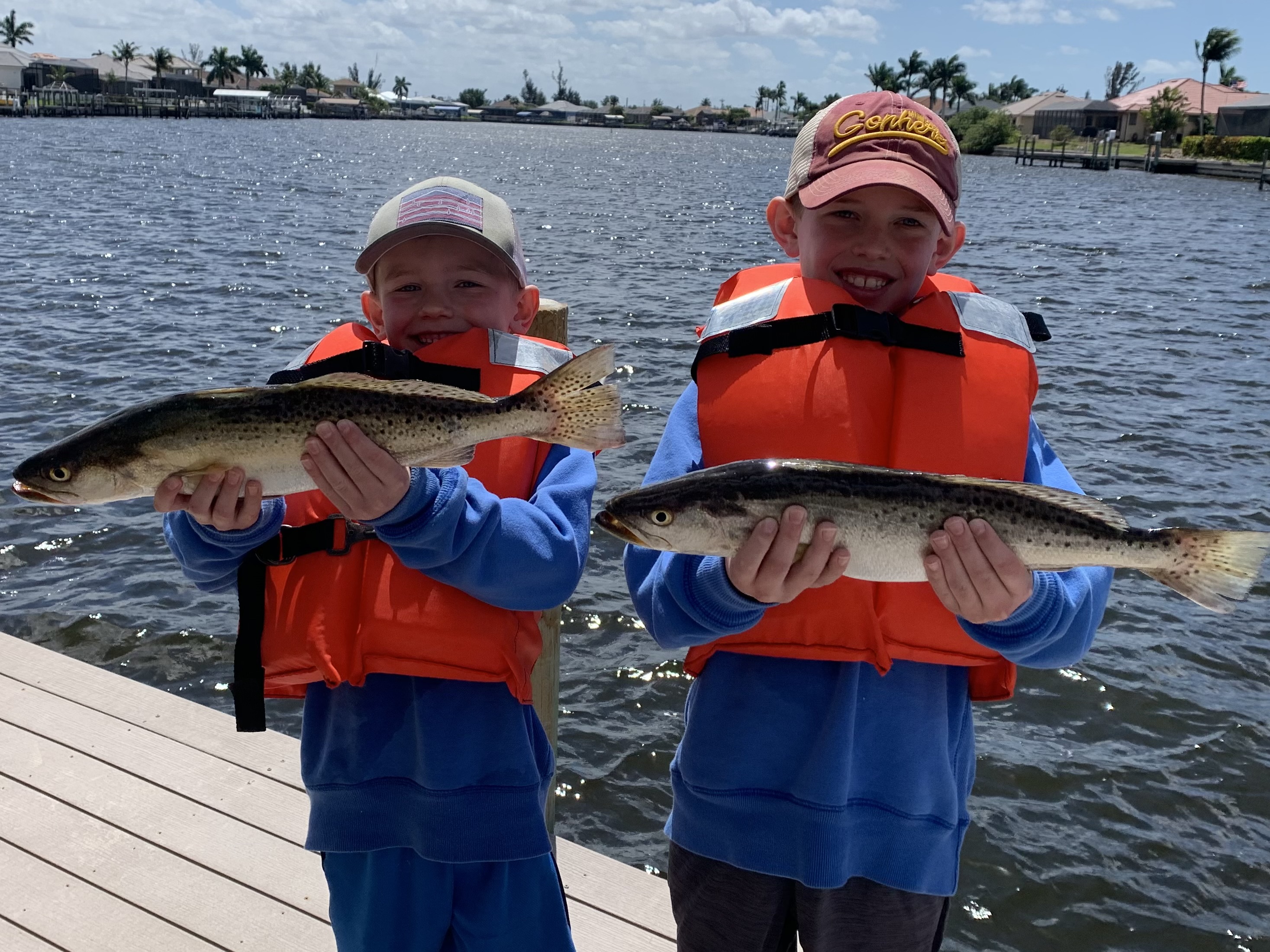
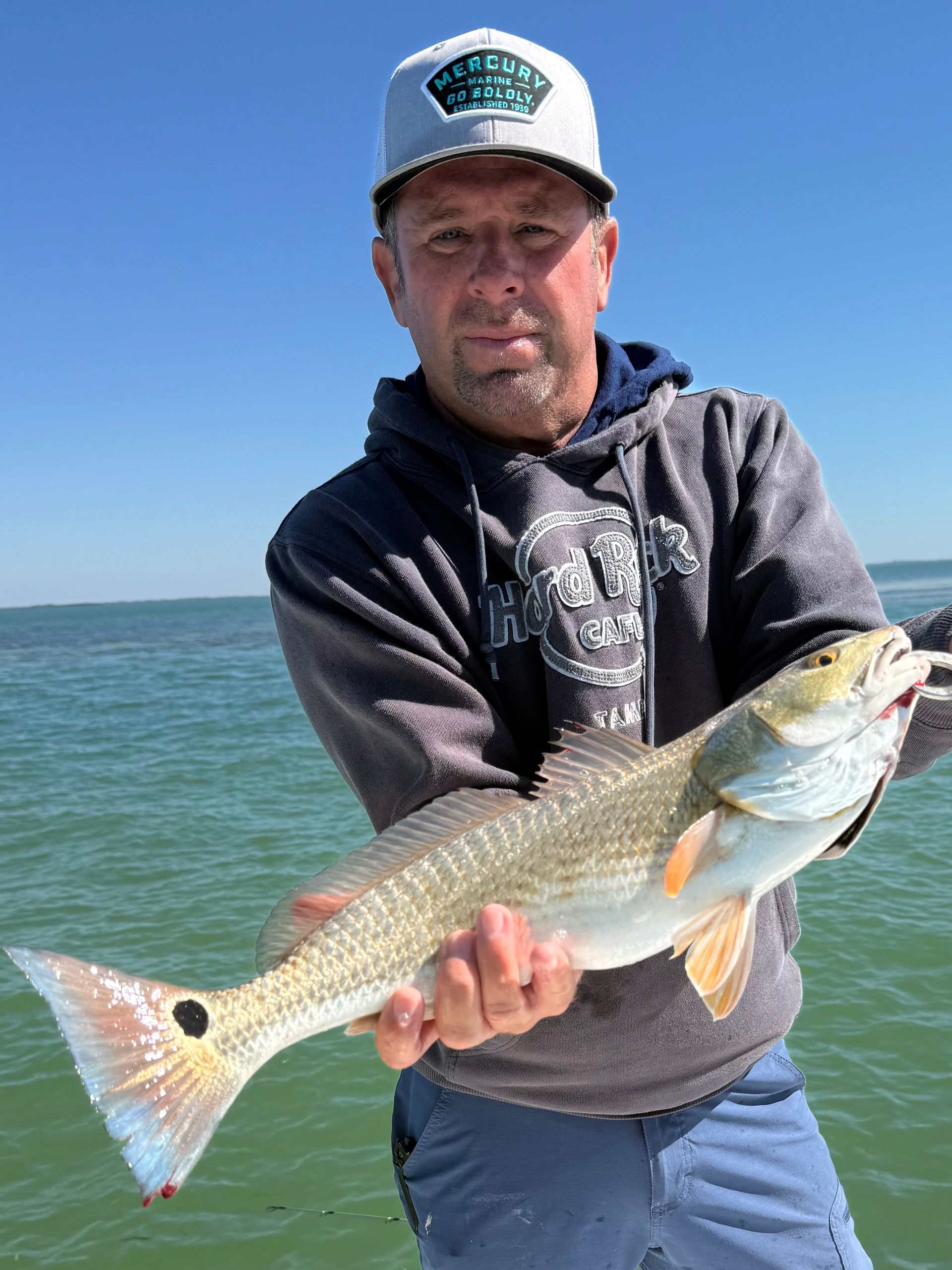
In Southwest Florida, species like sea trout, sheepshead, and smaller redfish can be ideal for kids. They give young anglers a real chance to feel the bite, fight the fish, and land something memorable without needing expert technique. Snook are thrilling too, but they can be less forgiving. Tarpon are unforgettable, but they are typically a better fit for experienced anglers or older kids who understand that the hunt can include long periods between shots.
A good family captain will usually balance excitement with realism. If your child dreams of catching a giant fish, that is great. But the day often goes better when the plan includes species that are more likely to keep rods bending. Kids remember action. They remember learning. They remember landing their own fish. Those wins matter more than chasing bragging rights.
When to go for the best family experience
Florida fishing can be good year-round, but family comfort matters as much as the season. Morning trips are often the easiest with kids. Temperatures are cooler, the water is usually calmer, and children tend to have more energy and patience earlier in the day.
Summer can offer great fishing, but it also brings heat, humidity, and afternoon storms. That does not mean summer is a bad choice. It just means parents should be realistic about conditions. Early starts help a lot.
Spring and early fall can be especially comfortable for families. Winter can also be excellent in Southwest Florida, particularly for visitors escaping colder states, though fish patterns may shift with cold fronts. The main point is that the best timing depends on your child’s age, tolerance for heat, and how flexible you want the day to be.
What parents should expect on the boat
The first few minutes matter. Kids usually need a quick win early, whether that is seeing bait, spotting dolphins, making a short cast, or feeling a fish tap the line. Once they feel involved, the rest of the day gets easier.
Parents should expect some teaching, some adjustment, and a pace that is different from an adult-focused trip. That is a good thing. A family charter should not feel rushed or intimidating. It should feel guided. The captain should explain things clearly, keep the gear manageable, and help without taking the fun away from the child.
Safety is a huge part of the experience too. Life jackets, stable inshore waters, and close captain oversight all matter, especially with first-timers. Families are not just booking a chance to catch fish. They are booking peace of mind. That is one reason many parents prefer a private trip over a crowded party boat.
How to prepare kids before the trip
A little prep goes a long way. The goal is not to turn your child into an expert before they leave the dock. It is to set the right expectations.
Tell them they will get to learn, cast, and hopefully catch fish, but that fishing always has some unpredictability. That keeps the day from feeling disappointing if the action comes in waves. At the same time, build excitement around everything else they may see on the water, from birds and bait schools to mangroves and dolphins.
Bring the basics and keep it simple. Sun protection, drinks, snacks, and soft comfortable clothing matter more than extra gear. Most families do not need to show up overloaded. Good charters provide the fishing equipment. What kids really need is comfort and a parent who is ready to let the day unfold at a family pace.
It also helps to avoid overscheduling. If your child has already done the pool, the beach, and a late dinner the night before, an early charter can be tougher than expected. The best fishing mornings usually start with a rested kid.
Why private charters are usually better for families
A private charter gives families room to breathe. You are not sharing the boat with strangers, waiting on a group decision, or worrying that your child’s learning curve is slowing everyone down. That alone changes the mood.
It also gives the captain freedom to tailor the trip. If one child is all-in and another is more interested in seeing wildlife, the day can reflect that. Inshore fishing works well for this because there is often more than one way to create a great outing. Catching fish is the main goal, but a successful family trip can also include exploring mangrove shorelines, watching pelicans work bait, and keeping the ride comfortable and manageable.
That flexibility is a big reason families book with experienced local guides. A captain who knows the area well can shorten run time, adjust to weather, and find fish without turning the trip into a grind. Around Cape Coral and Southwest Florida, that local knowledge is often the difference between a day that feels smooth and one that feels like guesswork. That is exactly why families looking for a kids fishing trip Florida visitors can count on often choose a private inshore experience with a captain who works these waters every day.
How to know if your child is ready
Most kids are ready earlier than parents think, as long as the trip matches their age and temperament. A child does not need perfect casting form or endless patience. They just need curiosity, basic listening skills, and a genuine interest in being outside on the water.
If your child loves animals, boats, or hands-on activities, fishing often clicks quickly. If they are sensitive to heat, motion, or long waits, the trip just needs a little more planning. Shorter duration, early departures, and realistic targets can make all the difference.
There is also nothing wrong with making the first trip a test run. Not every child wants an all-day fishing adventure right away. Sometimes the best move is to keep the first charter simple and leave them wanting more.
A well-planned family fishing day should feel fun, personal, and easy to enjoy. When the trip fits your kids instead of forcing them into an adult version of fishing, the result is usually better for everyone - and often more productive too.
%2F%2Fguide_websites%2F2218%2Fimages%2F1771901228675600290149_870852855306528_7933709020753676658_n.jpg&w=1920&q=75)