%2Ffit-in%2F250x250%2Fguide_websites%2F2218%2Fimages%2F1771288041416all4chuck_logo-1.png&w=1920&q=100)
Essential Catch & Release Techniques
%2Ffit-in%2F1000x1000%2Ffilters%3Aformat(webp)%2Fguide_websites%2F2218%2Fimages%2F1771288448220img_0230.jpeg&w=1920&q=75)
Published: February 19, 2026
1. Use the Right Tackle
Choosing proper gear is the first step in ethical angling.
- Use barbless hooks or pinch the barbs flat to minimize injury.
- Match your tackle to the species you’re targeting. Too-light gear leads to long, exhausting fights that increase fish mortality.
- Circle hooks help prevent gut hooking and are especially beneficial when fishing with live bait.
2. Minimize Fight Time
A fish exhausted from a long battle has a lower chance of survival.
- Apply steady, consistent pressure.
- Reel aggressively but responsibly to shorten the fight.
- The goal is to bring the fish in quickly without overexerting it.
3. Keep the Fish in the Water
Air exposure is one of the biggest threats to released fish.
- Whenever possible, unhook the fish without removing it from the water.
- If you must lift it, do so for just a few seconds.
- Never place fish on dry surfaces—their protective slime can be damaged.
4. Handle Fish Properly
Gentle handling increases survival dramatically.
- Wet your hands before touching the fish.
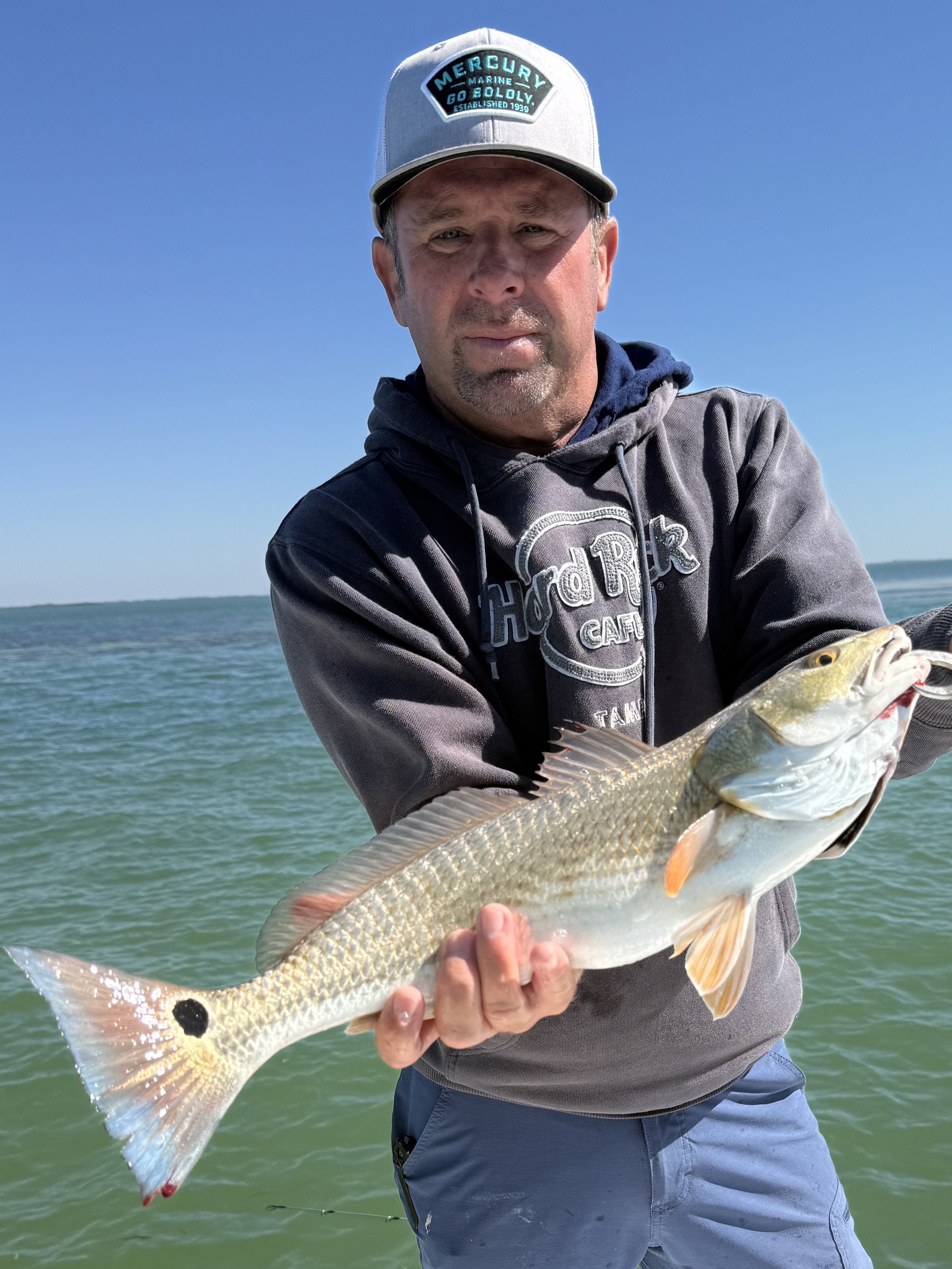
- Support its weight with both hands: one near the head and one under the belly.
- Avoid squeezing or touching the gills.
- Do not hold fish vertically by the jaw—this can cause serious internal injury.
5. Use Proper Tools
A few simple tools can make release fast and safe:
- Long-nose pliers for quick hook removal
- Dehookers for deep or awkward hooks
- Rubber landing nets to prevent scale damage
Avoid nylon nets, which can scrape slime and harm fins.
6. Revive the Fish Before Release
Some fish need help regaining strength before swimming off.
- Hold the fish upright in the water.
- Gently move it back and forth so water flows through its gills.
- Wait until the fish kicks or swims strongly out of your hands.
Never simply throw a fish back—this can shock or injure it.
7. Avoid High-Stress Situations
Little adjustments make a big difference:
- Fish early or late during hot months to avoid warm, oxygen-poor water.
- Avoid overhandling during spawning seasons.
- If a fish is deeply gut-hooked, sometimes cutting the line gives it a better chance than trying to remove the hook.
Final Thoughts
Catch & release isn’t just a procedure—it’s a stewardship mindset. Every angler has the power to make a positive impact on our fisheries by taking the time to release fish properly and respectfully. When we practice ethical angling, we protect both the sport we love and the natural resources that make it possible.
Whether you’re a seasoned angler or new to the sport, mastering these techniques will help ensure healthier fish, stronger populations, and better fishing for generations to come.
%2F%2Fguide_websites%2F2218%2Fimages%2F1772124082840img_7895.jpeg&w=1920&q=75)