%2Ffit-in%2F250x250%2Fguide_websites%2F2218%2Fimages%2F1771288041416all4chuck_logo-1.png&w=1920&q=100)
/users/f321af39-a76a-4f06-8a15-693065676b20/ratecard/img_0304.jpeg)
%2F300x300%2Fusers%2Ff321af39-a76a-4f06-8a15-693065676b20%2Fratecard%2Fimg_0304.jpeg&w=256&q=75)
%2F300x300%2Fusers%2Ff321af39-a76a-4f06-8a15-693065676b20%2Fimages%2Ffantastic-fishing-adventure-fl-2929.jpeg&w=256&q=75)
%2F300x300%2Fusers%2Ff321af39-a76a-4f06-8a15-693065676b20%2Fimages%2Fcape-coral-redfish-catch-7131.png&w=256&q=75)
%2F300x300%2Fusers%2Ff321af39-a76a-4f06-8a15-693065676b20%2Fimages%2Fcape-coral-redfish-catch-4498.png&w=256&q=75)
%2F300x300%2Fusers%2Ff321af39-a76a-4f06-8a15-693065676b20%2Fimages%2Fblack-drum-catch-cape-coral-4639.png&w=256&q=75)
%2F300x300%2Fusers%2Ff321af39-a76a-4f06-8a15-693065676b20%2Fimages%2Fsnook-caught-cape-coral-2595.jpeg&w=256&q=75)
%2F300x300%2Fusers%2Ff321af39-a76a-4f06-8a15-693065676b20%2Fimages%2Fsheepshead-fishing-fl-2783.png&w=256&q=75)
%2F300x300%2Fusers%2Ff321af39-a76a-4f06-8a15-693065676b20%2Fimages%2Fsheepshead-catch-florida-2546.jpg&w=256&q=75)
%2F300x300%2Fusers%2Ff321af39-a76a-4f06-8a15-693065676b20%2Fimages%2Fredfish-caught-florida-2931.jpeg&w=256&q=75)
%2F300x300%2Fusers%2Ff321af39-a76a-4f06-8a15-693065676b20%2Fimages%2Ffile-1766179965217-cwehbw.jpeg&w=256&q=75)
%2F300x300%2Fusers%2Ff321af39-a76a-4f06-8a15-693065676b20%2Fimages%2Fcape-coral-sheepshead-fishing-catch-8060.png&w=256&q=75)
All 4 Chuck Full Day Cape Coral Inshore Trip
 Cape Coral, FL
What you will be catching:
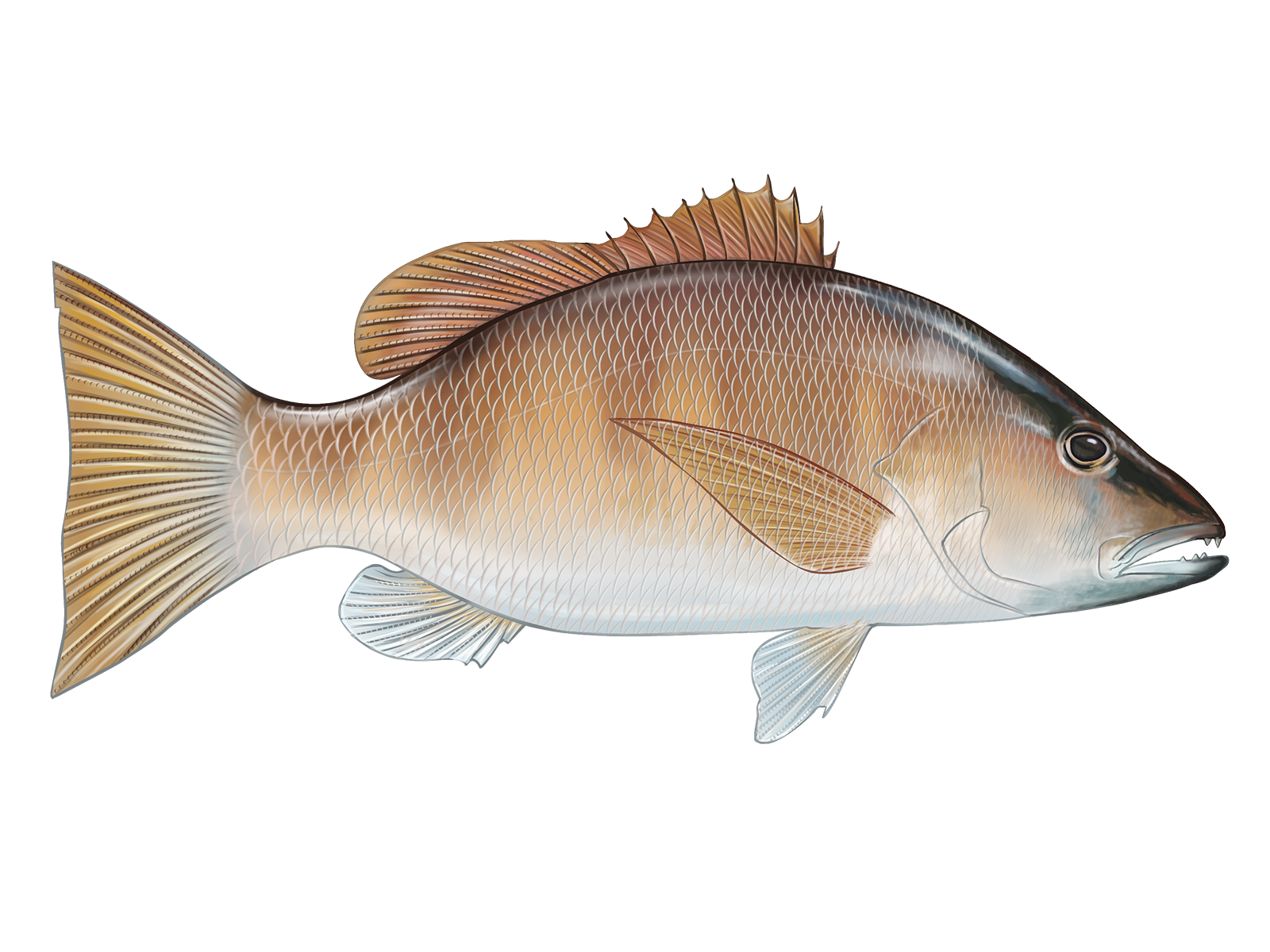 Grey Snapper
 Redfish
 Sea Trout
 Sheepshead
 Snook
Snook
- 8-hour inshore fishing targeting redfish, snook, and sea trout
- All gear, tackle, bait, and licenses provided by Captain Al
- Accommodates up to 4 guests with skill-level customization
Trip Pricing and Availabilities:
Full Day Cape Coral Inshore Fishing Adventure
Captain Al knows these Southwest Florida waters like the back of his hand, and he's ready to show you why Cape Coral is a top-rated destination for inshore fishing. This 8-hour guided adventure takes you through the best backwater spots around Cape Coral, Matlacha Pass, and Pine Island Sound - places where redfish cruise the shallows and snook ambush baitfish along the mangrove edges. You'll be targeting five of the area's most popular species while soaking up the Florida sun and learning from a captain who tailors every trip to match your crew's experience level. Whether you're bringing the kids for their first fishing trip or you're seasoned anglers looking to dial in your technique, this full-day charter delivers the goods without breaking the bank.
What to Expect on the Water
Your day starts early when you meet Captain Al at the dock, where his well-equipped boat is loaded and ready to roll. All your gear, tackle, live bait, and fishing licenses are handled - you just need to bring sunscreen, snacks, and drinks for the crew. The boat comfortably handles up to 4 guests, making it perfect for families or small groups who want a more personal experience than those crowded party boats. Captain Al runs a clean operation and knows exactly where the fish are holding based on tides, weather, and seasonal patterns. You'll spend your time working the productive waters around Cape Coral's extensive canal system, drifting the grass flats of Pine Island Sound, and casting to structure in Matlacha Pass. The scenery alone is worth the trip - think crystal-clear water, abundant wildlife, and that classic Old Florida vibe that makes Southwest Florida fishing so special. Plan to keep your catch since Captain Al encourages guests to take home their limit, and he'll even point you toward the best local spots to get your fish cleaned and cooked.
Gear and Techniques
Captain Al runs a variety of techniques depending on conditions and what the fish are doing. You'll likely throw live shrimp under popping corks around docks and structure, pitch soft plastics into the mangroves for snook, and work the grass flats with spoons and jigs when the trout are feeding. The boat carries spinning gear in multiple weights, from light tackle for trout and snapper to heavier setups when you need to horse a big red out of thick cover. Live bait is always the ace in the hole - pilchards, shrimp, and pinfish that Captain Al sources fresh each morning. He'll teach you how to read the water, spot feeding birds, and recognize the subtle signs that separate good fishing spots from great ones. Artificial lures play a big role too, especially when you want to cover water fast or when the fish are being picky about presentation. Captain Al stocks proven producers like DOA shrimp, Berkley Gulp baits, and topwater plugs that drive snook absolutely crazy during the right conditions. The beauty of this trip is the variety - you're not stuck doing one thing all day, and Captain Al adapts his approach based on what's working and what you want to learn.
Species You'll Want to Hook
Redfish are the bread and butter of Southwest Florida inshore fishing, and these copper-colored bruisers are available year-round in Cape Coral's waters. They typically run 18 to 30 inches around here, with plenty of slot-sized fish that make excellent table fare. Reds love to cruise the shallow flats and edges, often in small schools that create some of the most exciting sight-fishing opportunities you'll find anywhere. Fall and winter months are particularly productive as the fish stack up in predictable spots, but Captain Al finds them consistently throughout the year by adjusting his locations and techniques.
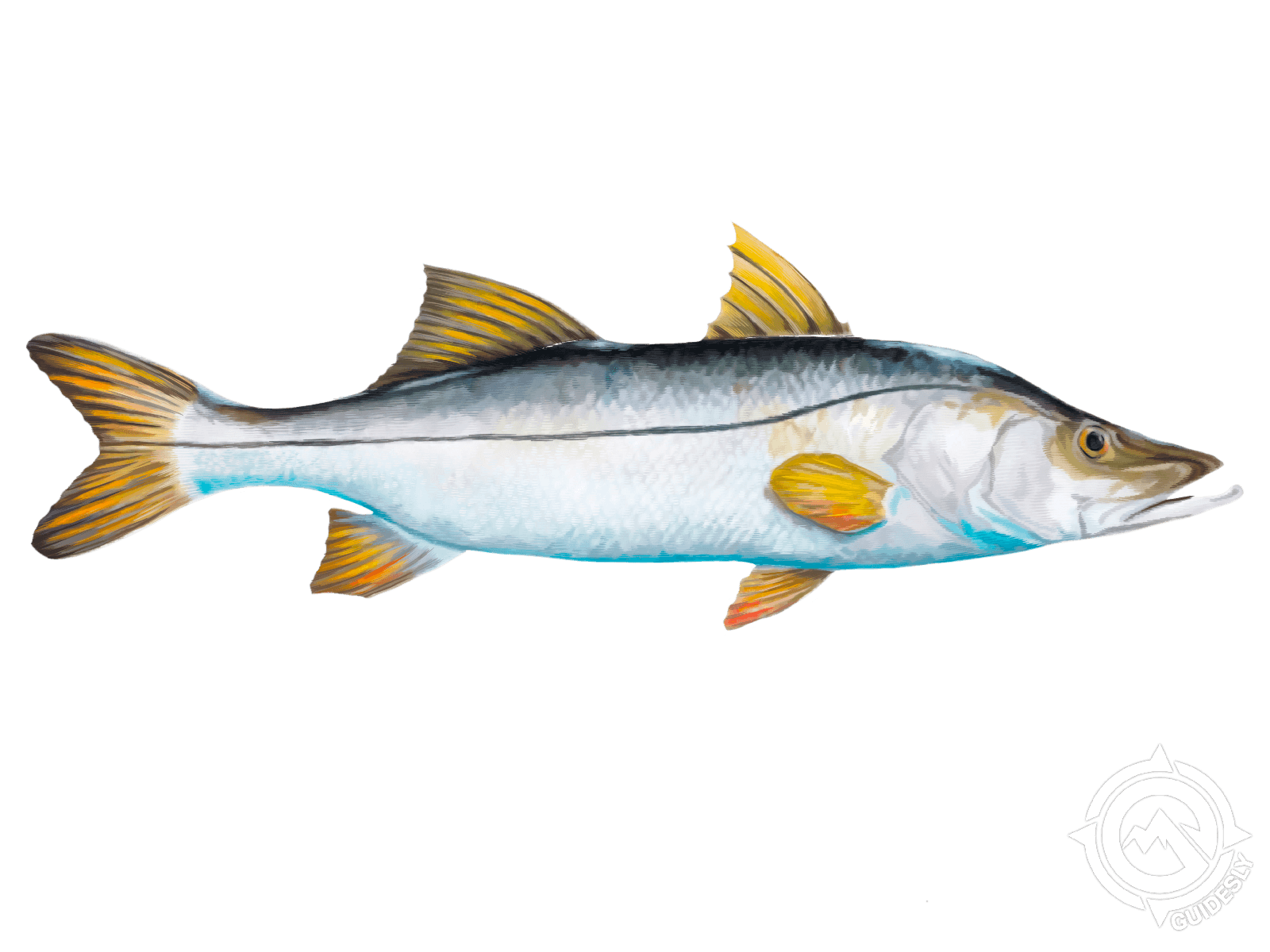
Snook are the glamour fish of the area - aggressive predators that hit hard and fight even harder. These guys are structure-oriented, hanging around docks, bridges, and mangrove shorelines where they ambush passing baitfish. They're notorious for their gill-rattling jumps and their ability to cut you off in heavy cover if you're not ready. Snook fishing peaks during the warmer months, particularly in summer when they're most active, but Captain Al targets them year-round by focusing on deeper water and slower presentations during cooler periods. A good snook in these waters runs 24 to 32 inches, and they're prized both for their fighting ability and their excellent taste when prepared right.
Sea Trout provide consistent action throughout the trip, especially over the grass flats where they feed heavily on shrimp and small baitfish. These spotted beauties are perfect for beginners since they're relatively easy to catch and fight hard for their size. Most trout in the area run 14 to 18 inches, with occasional gator trout pushing over 20 inches that really get your heart pumping. They're most active during moving water, making them ideal targets during tide changes when other species might be slower.
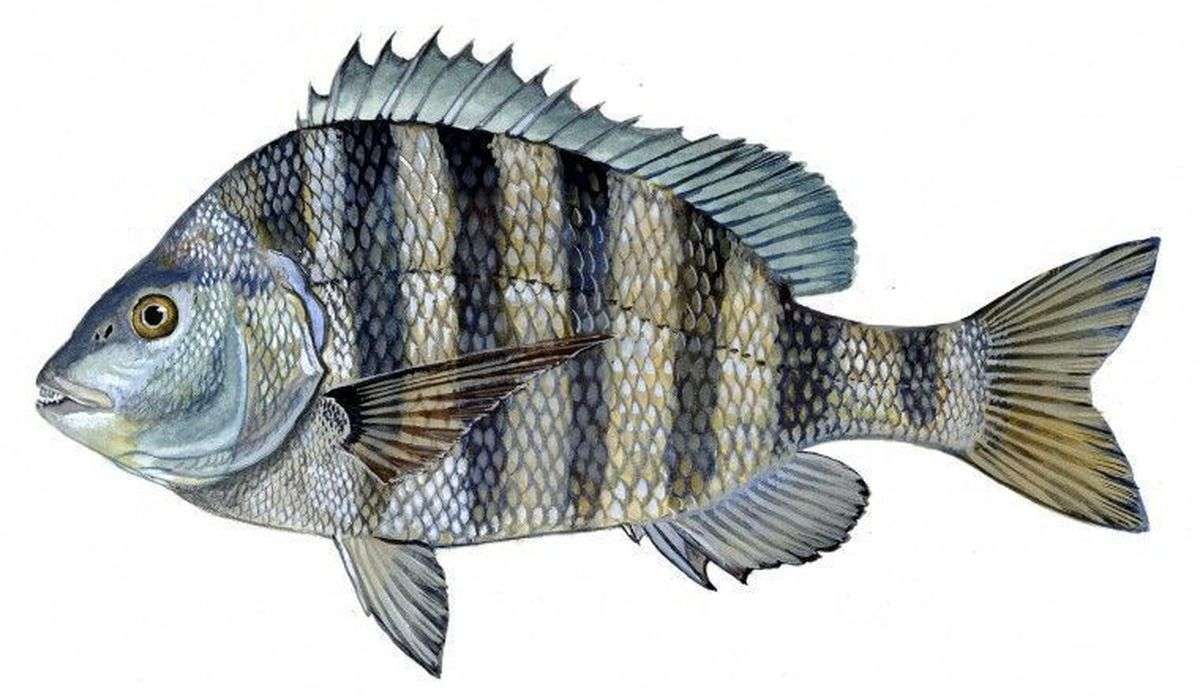
Sheepshead are the technical challenge of the group - notorious bait stealers with incredible ability to mouth a hook without getting caught. These black-and-white striped fish hang around structure like dock pilings and bridges, where they feed on barnacles, crabs, and shrimp. They require finesse and patience, but landing a good sheepshead feels like a real accomplishment. They're fantastic eating too, with firm white meat that rivals any fish in the area. Peak sheepshead action happens during their spawning season in late winter and early spring, but Captain Al finds them consistently around the right structure.
Grey Snapper round out your target list as aggressive feeders that provide steady action when other species are being finicky. These reef fish venture into the inshore waters around structure and hard bottom areas, where they compete fiercely for food. They hit live bait and artificials with equal enthusiasm, making them perfect for keeping kids engaged when the fishing slows down. Most grey snapper in the area run 12 to 16 inches, and they're excellent table fare with sweet, fl
Learn more about the species
Grey Snapper
Grey snapper, or mangrove snapper as we call them locally, are smart fish that'll test your patience and skill. These copper-colored fighters typically run 1-2 pounds inshore, though we occasionally see them pushing 4-5 pounds around deeper structure. They hang out near docks, mangroves, and any hard bottom they can find. Night fishing is when they really feed aggressively, making evening trips productive. What guests love about these fish is they're excellent table fare - sweet, white meat that's hard to beat. They're also tricky to catch, which makes landing one satisfying. The key trick I share is to let your live shrimp sit still on the bottom near structure. Too much movement spooks them. Once you feel that subtle tap, don't jerk - let them take it and then set the hook firmly.
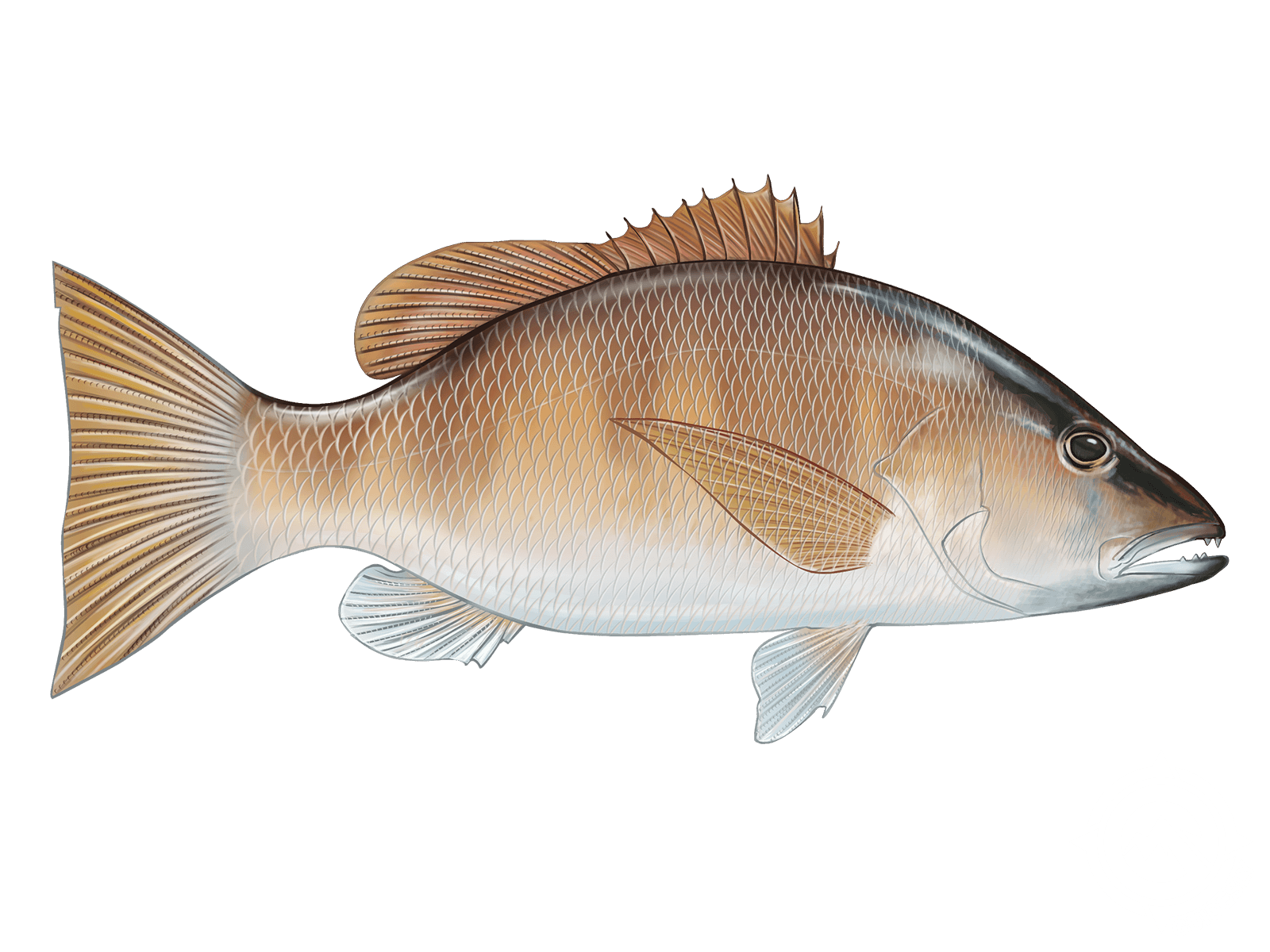
Redfish
Redfish are the ultimate sight-fishing target in our shallow waters, and those distinctive black spots make them easy to identify. These copper-colored bruisers typically run 18-27 inches inshore, though we see plenty of oversized fish that'll really test your tackle. They cruise our flats in just 1-4 feet of water, often with their backs exposed. Year-round fishing is good, but fall and winter bring the best action when they school up. What makes reds special is their powerful runs and that explosive topwater bite - nothing beats watching one crush a spoon in skinny water. The meat is solid table fare too. My local trick: look for them tailing in the shallows during incoming tides. Cast ahead of their path and work your bait slowly - they'll track it down and crush it.
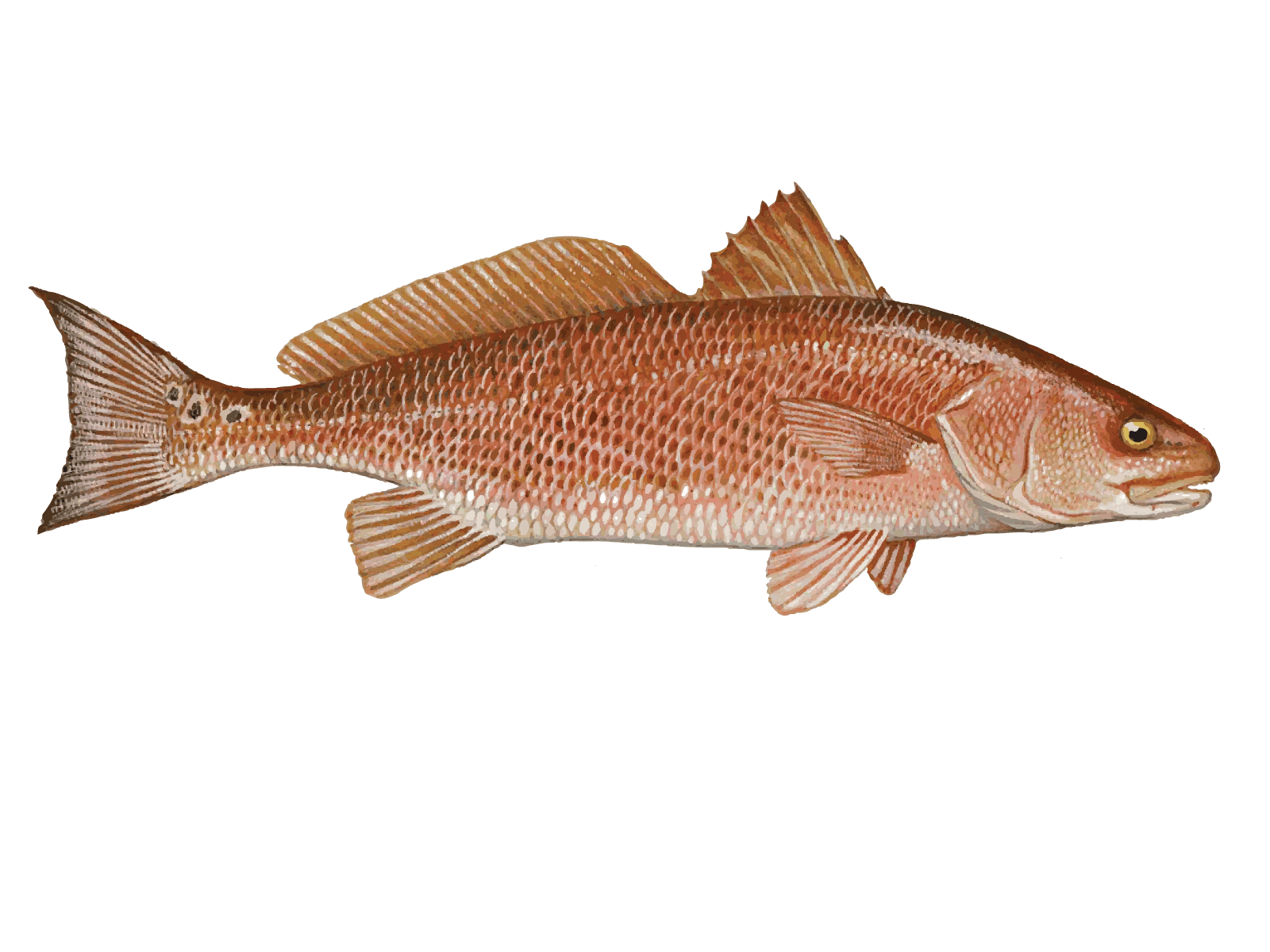
Sea Trout
Spotted sea trout are a bread-and-butter fish here in Pine Island Sound, and they're perfect for anglers of all skill levels. These speckled beauties typically run 14-20 inches and love our shallow grass flats, especially during cooler months when they school up in deeper holes. Spring and fall provide consistent action, with early morning and evening being prime time. What guests enjoy is their willingness to hit both live bait and artificials, plus they make great table fare with tender, flaky meat. They're also excellent for sight fishing on calm days when you can spot them tailing in the shallows. Pro tip: work your lure slowly over the grass beds and be ready for subtle strikes. A popping cork with live shrimp underneath is hard to beat when the bite gets tough.
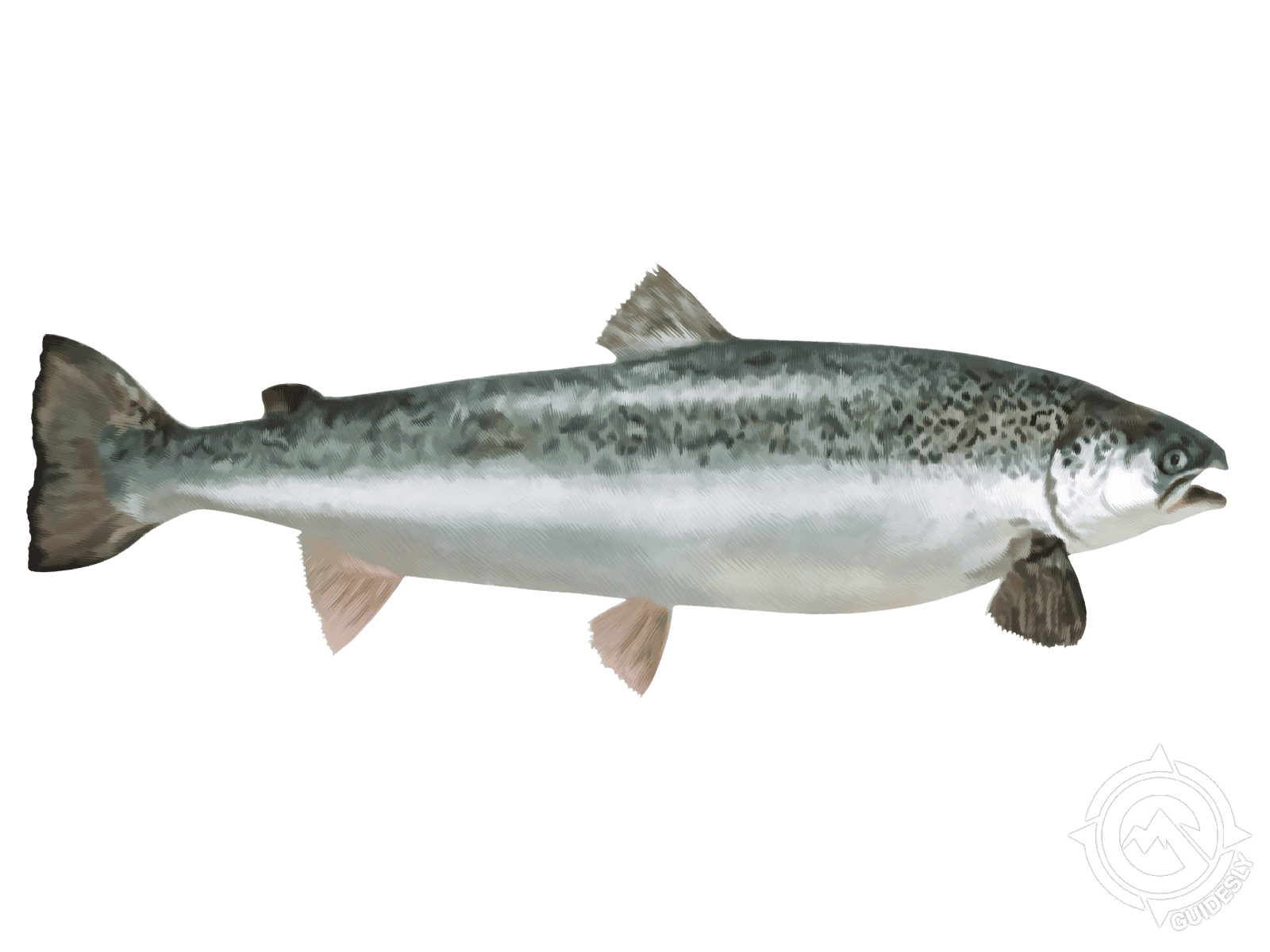
Sheepshead
Sheepshead are the "convict fish" with those black and white stripes, and they're some of the best eating you'll find. These guys typically run 2-6 pounds with those famous human-like teeth perfect for crushing barnacles off dock pilings. You'll find them around any structure - bridges, docks, oyster bars. Winter through early spring is prime time when they gather for spawning. What makes them fun to target is they're notorious bait thieves, requiring finesse and quick reflexes. The reward is sweet, flaky white meat that rivals any fish in these waters. My go-to tip: use a small hook with fresh shrimp and keep your bait pinned tight to the structure. When you feel that subtle nibble, set the hook hard immediately - they'll steal your bait in seconds otherwise.
Snook
Snook are one of our most prized catches here in Southwest Florida. These sleek, golden fish with that distinctive black lateral line usually run 1-3 feet long, though bigger ones lurk in our waters. You'll find them around mangroves, docks, and creek mouths where they ambush baitfish. They love structure and aren't shy about hitting topwater lures or live shrimp. Spring through fall offers the best action, especially around dawn and dusk. What makes snook special is their explosive strikes and strong runs - they'll test your drag for sure. The meat is excellent table fare with firm, white flesh. Here's a local tip: cast tight to the mangroves and let your bait drift naturally with the current. Snook are ambush predators, so they want an easy meal that looks natural.
About the Reel Good Time
%2F%2Fusers%2Ff321af39-a76a-4f06-8a15-693065676b20%2Fvehicle_picture%2Fimg_0253.jpeg&w=1920&q=75)
Vehicle Guest Capacity: 6
Manufacturer Name: Mercury
Maximum Cruising Speed: 60
Number of Engines: 1
Horsepower per Engine: 400