%2Ffit-in%2F250x250%2Fguide_websites%2F2218%2Fimages%2F1771288041416all4chuck_logo-1.png&w=1920&q=100)
Spanish Mackerel and Sheepshead Inshore Cape Coral
Spanish Mackerel Charter in Cape Coral, FL
%2F%2Fusers%2Ff321af39-a76a-4f06-8a15-693065676b20%2Fimages%2Fmixed-species-catch-cape-coral-6276.png&w=1920&q=75)
The Spanish Mackerel belongs to the order Perciformes and family Scombridae. It typically measures between 20 and 72 inches in length, with a weight range from 8 to 120 lbs. Habitat: offshore, onshore, nearshore. - Fast-swimming predator found in Florida and Gulf waters. - Easily identified by silvery color with yellowish oval spots. - Popular target for both recreational and commercial fishing.
Fishing Charter by Captain Al Harrington in March
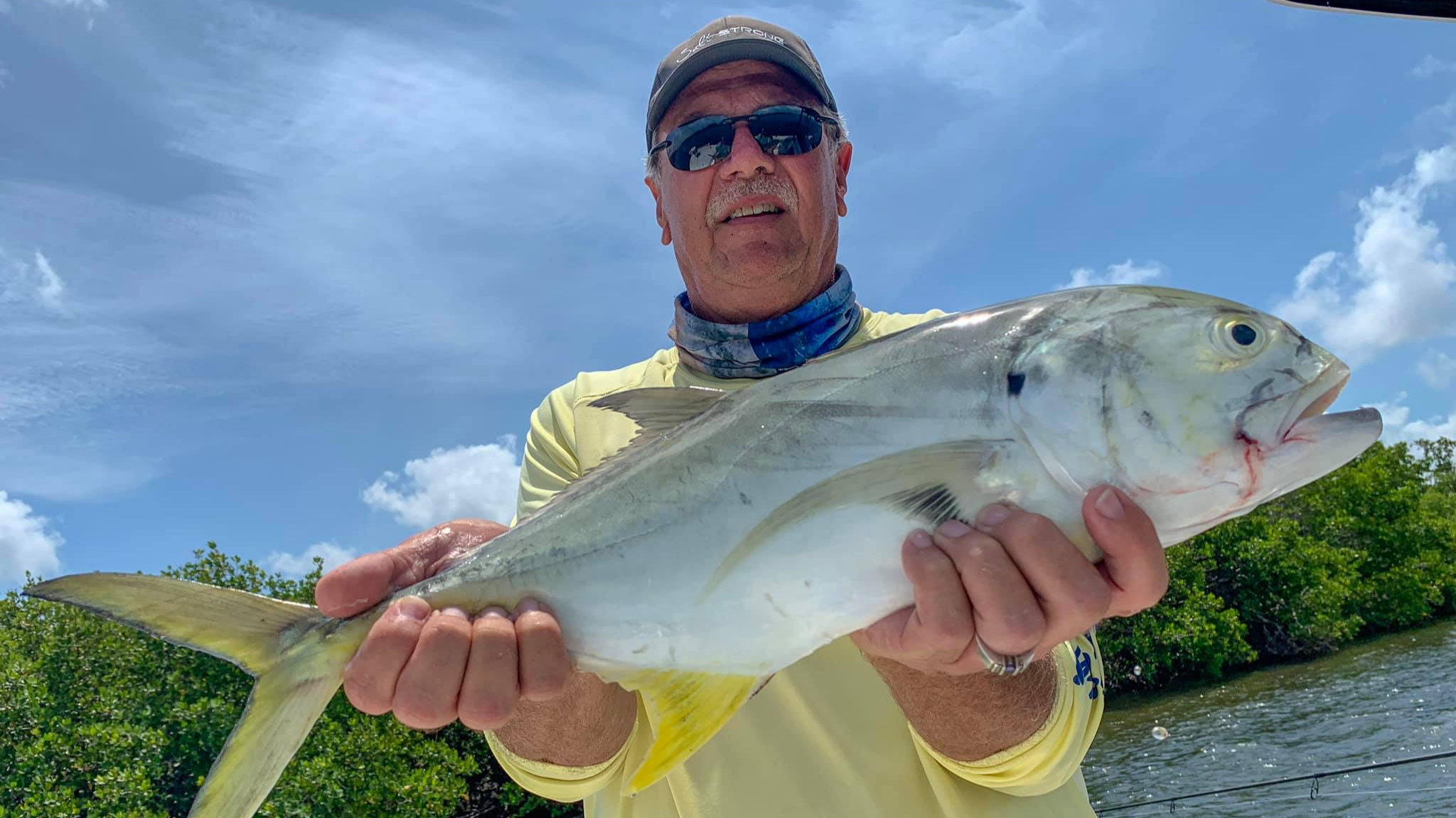
- Best Fishing Charter in Cape Coral, FL



Summary
Captain Al Harrington of All 4 Chuck Fishing Charters on Monday March delivered an action-packed half-day inshore fishing experience in Cape Coral waters. Despite challenging windy conditions, the crew successfully landed Spanish Mackerel, Pacific Sierra, and Sheepshead using drift fishing techniques with light tackle and live bait. The morning charter focused on productive inshore waters where these species thrive, proving that local knowledge and adaptable techniques can overcome tough weather conditions for consistent catches.
Fishing Charter with Captain Al Harrington – Rates & Booking
Captain Al Harrington of All 4 Chuck Fishing Charters on Monday March guided a productive half-day inshore trip targeting Spanish Mackerel and other local species. Our charters include all fishing gear, live bait, and expert guidance for drift fishing techniques that work best in Cape Coral's inshore waters. Book online for competitive rates and experience why local anglers trust our proven methods for consistent catches, even in challenging wind conditions.
Highlights of All 4 Chuck Fishing Charters
This charter showcased the effectiveness of drift fishing with light tackle when conditions get rough. The crew landed multiple Spanish Mackerel, Pacific Sierra, and Sheepshead throughout the morning session, demonstrating how proper technique and local knowledge overcome weather challenges. Our half-day trips offer the perfect balance of fishing action without the full-day commitment, making them ideal for families and anglers wanting to experience Cape Coral's productive inshore bite.
Local Species Insights: Spanish Mackerel
Spanish Mackerel thrive in Cape Coral's nearshore and inshore waters, especially during spring months when they move closer to shore following baitfish schools. These fast-swimming predators respond well to live bait presentations and light tackle techniques, making them perfect targets for drift fishing. March conditions often bring active feeding periods, and experienced guides know exactly where to find them along structure and current breaks that hold baitfish concentrations.
Plan Your Fishing Charter Day
Our half-day inshore charters accommodate small groups and include all necessary fishing equipment, live bait, and tackle. We start early morning trips to take advantage of prime feeding windows and adjust our drift fishing approach based on wind and tide conditions. The boat is equipped for comfort and safety, with local knowledge ensuring you'll fish the most productive spots for Spanish Mackerel, Sheepshead, and Pacific Sierra in Cape Coral waters.
Fishing in Cape Coral, FL: Pacific Sierra, Sheepshead and Spanish Mackerel
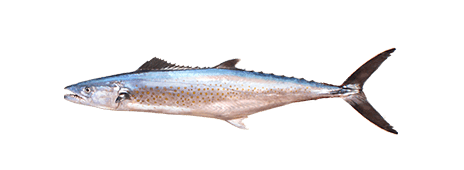
The Spanish Mackerel (Scomberomorus maculatus) is a prized gamefish from the order Perciformes and family Scombridae, easily recognized by its streamlined silver body with distinctive yellowish oval spots along the sides. These fast-swimming predators are abundant in Cape Coral waters during March, making them a favorite target for local anglers.
Spanish Mackerel Overview
Spanish Mackerel are highly sought after for their aggressive strikes, impressive speed, and excellent table fare. They travel in large schools and are known for their acrobatic fights when hooked, making them exciting targets for light tackle fishing.
Spanish Mackerel Habitat and Distribution
These fish inhabit nearshore, inshore, and offshore waters throughout Florida and the Gulf of Mexico. In Cape Coral, they're commonly found around structure, current breaks, and areas with abundant baitfish activity.
Spanish Mackerel Size and Weight
Spanish Mackerel typically range from 20 to 72 inches in length and weigh between 8 to 120 pounds, though most caught in Cape Coral waters average 2-5 pounds and 14-20 inches.
Spanish Mackerel Diet and Behavior
They feed primarily on small fish, shrimp, and squid, often hunting in schools near the surface. Their feeding activity peaks during early morning and late afternoon, making these prime fishing times.
Spanish Mackerel Spawning Season
Spawning occurs in warmer months, with fish moving closer to shore during spring migration periods. Water temperatures between 68-78°F trigger increased feeding activity.
Spanish Mackerel Fishing Techniques
Drift fishing with live bait, small spoons, and jigs works exceptionally well. Light tackle spinning gear allows anglers to feel every strike and enjoy the fight. In March around Cape Coral, focus on areas with current and baitfish activity.
Spanish Mackerel Is It Good to Eat?
Spanish Mackerel offer excellent table fare with firm, flaky white meat and mild flavor. They're high in protein and omega-3 fatty acids, making them a healthy dining choice when prepared fresh.
Spanish Mackerel Frequently Asked Questions
Q: What is the best bait for Spanish Mackerel?
A: Live shrimp, small pilchards, and threadfin herring work best, along with small silver spoons and jigs that mimic baitfish.
Q: Where can I find Spanish Mackerel near Cape Coral?
A: Look for them around nearshore structure, current breaks, and areas with active baitfish schools, especially during spring migration.
Q: Is Spanish Mackerel good to eat?
A: Yes, they have firm, flaky white meat with mild flavor and are excellent grilled, baked, or blackened.
Q: When is the best time to catch Spanish Mackerel?
A: Early morning and late afternoon during spring months offer the best action, with March being prime time in Cape Coral waters.
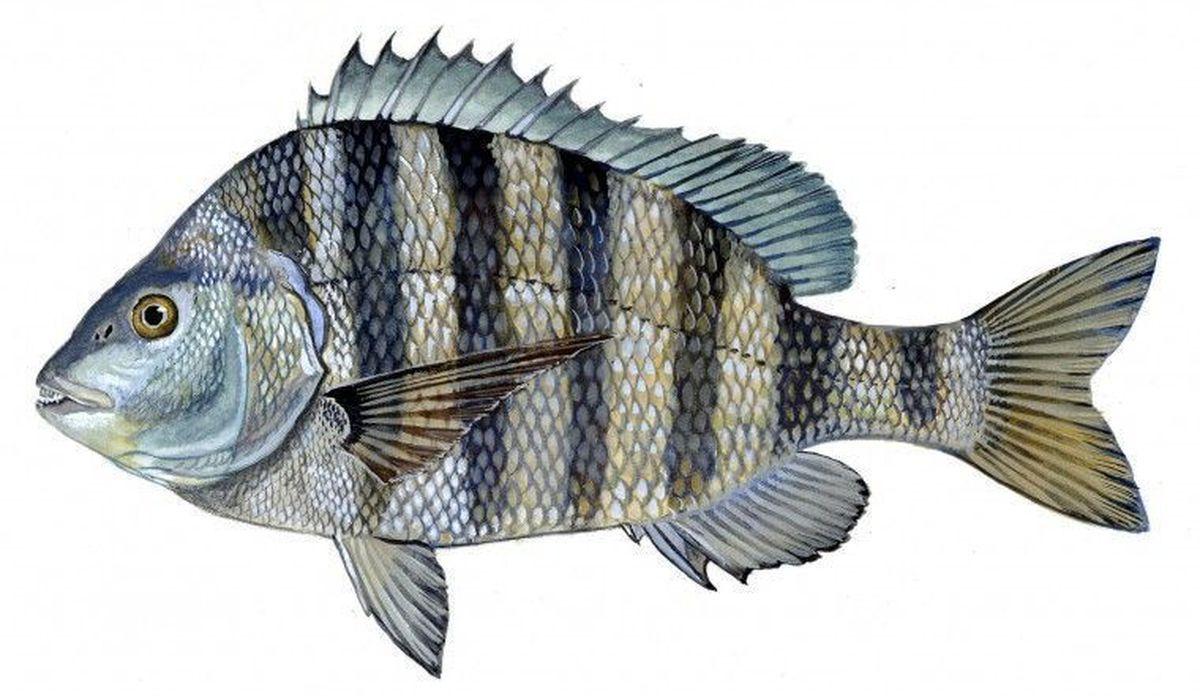
The Sheepshead (Archosargus probatocephalus) is a distinctive member of the order Perciformes and family Sparidae, instantly recognizable by its compressed gray body with five to seven dark vertical bars that earned it the nickname "convict fish." Most famous for their human-like teeth, these fish are prized catches in Cape Coral waters during March.
Sheepshead Overview
Sheepshead are highly valued for their challenging nature and excellent eating quality. Their unique dental structure allows them to crush barnacles, oysters, and crabs, making them masters of structure fishing.
Sheepshead Habitat and Distribution
These fish inhabit onshore, nearshore, offshore, reef, and wreck environments throughout the Gulf Coast. In Cape Coral, they're commonly found around docks, bridges, oyster bars, and any hard structure with shellfish growth.
Sheepshead Size and Weight
Sheepshead typically range from 14 to 20 inches in length and weigh between 1 to 8 pounds, with occasional trophy fish reaching 20 pounds and 35 inches.
Sheepshead Diet and Behavior
They feed primarily on barnacles, oysters, crabs, and shrimp using their powerful crushing teeth. Sheepshead are structure-oriented fish that require precise bait presentation near cover.
Sheepshead Spawning Season
Spawning occurs in late winter and early spring when water temperatures reach 60-65°F. During this period, they gather in large schools around nearshore structure.
Sheepshead Fishing Techniques
Success requires small hooks, light line, and precise bait placement near structure. Fiddler crabs, shrimp, and oysters work best. In Cape Coral during March, focus on dock pilings and bridge supports.
Sheepshead Is It Good to Eat?
Sheepshead are considered excellent table fare with firm, white, flaky meat and mild flavor. They're low in mercury and high in protein, making them a healthy seafood choice.
Sheepshead Frequently Asked Questions
Q: What is the best bait for Sheepshead?
A: Fiddler crabs, live shrimp, and fresh oysters work best, presented on small hooks near structure.
Q: Where can I find Sheepshead near Cape Coral?
A: Target dock pilings, bridge supports, oyster bars, and any hard structure with barnacle or oyster growth.
Q: Is Sheepshead good to eat?
A: Yes, they have firm, white, flaky meat with excellent flavor and are considered one of the best eating fish in Gulf waters.
Q: When is the best time to catch Sheepshead?
A: Late winter and early spring during spawning season, with March being prime time in Cape Coral for larger concentrations.

The Pacific Sierra (Scomberomorus sierra), also known as the Mexican Sierra, is a member of the order Perciformes and family Scombridae. This fast-swimming predator is characterized by its streamlined body and is a popular target for sport fishing in nearshore waters around Cape Coral during March.
Pacific Sierra Overview
Pacific Sierra are prized for their speed, fighting ability, and excellent table fare. As members of the mackerel family, they share many characteristics with Spanish Mackerel but tend to be larger and more robust.
Pacific Sierra Habitat and Distribution
These fish primarily inhabit nearshore waters, making them accessible to anglers fishing from boats in Cape Coral. They prefer areas with good current flow and abundant baitfish activity.
Pacific Sierra Size and Weight
Pacific Sierra typically range from 28 to 39 inches in length and weigh between 12 to 18 pounds, making them larger than their Spanish Mackerel cousins.
Pacific Sierra Fishing Techniques
Similar techniques used for Spanish Mackerel work well, including drift fishing with live bait and trolling small lures. Their size requires slightly heavier tackle than Spanish Mackerel fishing.