%2Ffit-in%2F250x250%2Fguide_websites%2F2218%2Fimages%2F1771288041416all4chuck_logo-1.png&w=1920&q=100)
Caught Spanish Mackerel Inshore in Cape Coral
Spanish Mackerel Fishing in Cape Coral, FL
%2F%2Fusers%2Ff321af39-a76a-4f06-8a15-693065676b20%2Fimages%2Fmixed-species-cape-coral-fishing-6144.png&w=1920&q=75)
The Scomberomorus Maculatus belongs to the order Perciformes and family Scombridae. It typically measures between 20 and 72 inches in length, with a weight range from 8 to 120 lbs. Habitat: offshore, onshore, nearshore. - Popular gamefish found throughout Florida and Gulf of Mexico waters. - Known for aggressive strikes and strong fighting ability. - Travels in schools and feeds actively on small baitfish.
Fishing Charter by Captain Al Harrington in March
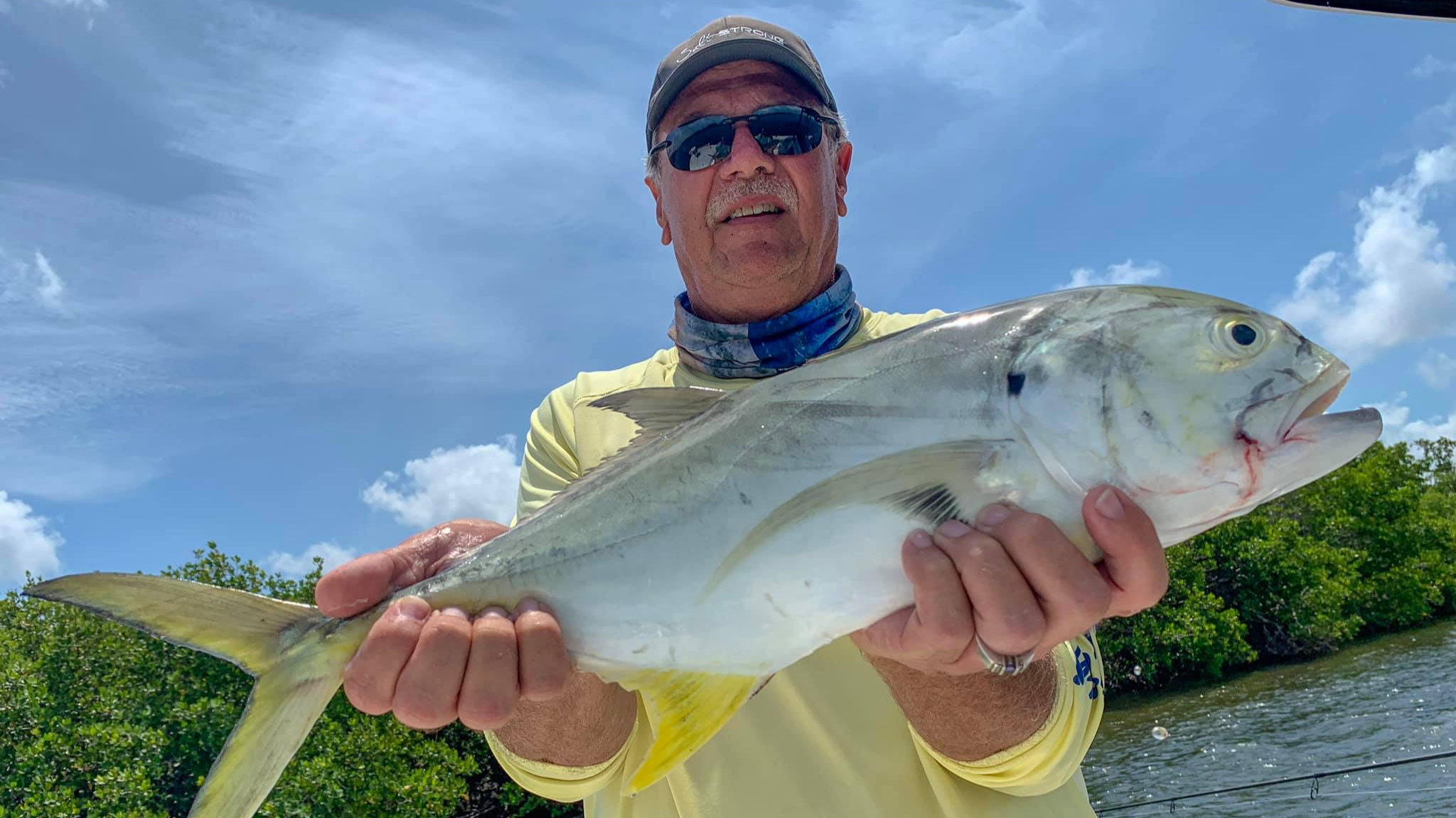
Meet your Captain Al Harrington
- Best Fishing Charter in Cape Coral, FL




Summary
Captain Al Harrington of All 4 Chuck Fishing Charters delivered an outstanding 3/4 day inshore fishing charter this Monday February in Cape Coral waters. Using proven drift fishing and bottom fishing techniques, our crew of four landed a mixed bag including Spanish mackerel, speckled trout, sheepshead, and spadefish. The productive local waters around Cape Coral consistently produce multiple species when conditions align, making these inshore fishing charters perfect for anglers seeking variety and action. With experienced local knowledge and gear included, these Cape Coral fishing trips offer the ideal opportunity to target gamefish using time-tested methods that work in our productive Gulf Coast waters.
Fishing Charter with Captain Al Harrington – Rates & Booking
Captain Al Harrington of All 4 Chuck Fishing Charters on Monday February offers 3/4 day inshore fishing trips targeting Spanish mackerel, speckled trout, sheepshead, and other local species. These productive Cape Coral waters provide consistent action using drift fishing and bottom fishing techniques. All tackle and gear included with experienced local guidance. Book online for current rates and availability, or call to discuss trip options and scheduling for your next Cape Coral fishing adventure.
Highlights of Mixed Bag Cape Coral Species
This February charter showcased the diversity of Cape Coral's inshore fishery with four different species in the coolers. Spanish mackerel provided fast action on the drift, while bottom fishing produced quality sheepshead and snappers around structure. The speckled trout bite remained steady throughout the morning, with spadefish adding to the variety. These mixed bag trips demonstrate why Cape Coral ranks among Florida's top inshore fishing destinations.
The combination of drift fishing and bottom fishing techniques allows anglers to adapt to conditions and target multiple species during a single trip. When one bite slows down, experienced captains like Al Harrington know how to adjust tactics and locations to keep the action going. This flexibility makes 3/4 day charters ideal for both novice and experienced anglers looking to maximize their time on the water.
Local Species Insights: Spanish Mackerel
Spanish mackerel thrive in Cape Coral's nearshore waters, particularly during the cooler months when they school up and feed aggressively. These fast-swimming gamefish respond well to drift fishing techniques using small spoons, jigs, and live bait. February conditions often provide ideal opportunities as mackerel move through local waters following baitfish. Their aggressive strikes and strong runs make them a favorite target for both beginners and experienced anglers seeking consistent action on light tackle.
Plan Your Fishing Charter Day
All 4 Chuck Fishing Charters provides a fully equipped fishing experience with quality rods, reels, tackle, and bait included. The boat accommodates small groups comfortably with plenty of fishing space and storage for your catch. Early morning departures take advantage of prime feeding times, with trips typically running 6-8 hours depending on conditions and fish activity. Captain Al's local knowledge of Cape Coral's productive fishing spots ensures you'll spend time where the fish are biting, not searching empty water.
Fishing in Cape Coral, FL: Spanish Mackerel

Spanish Mackerel (Scomberomorus maculatus) are among the most sought-after gamefish in Florida waters, belonging to the order Perciformes and family Scombridae. These streamlined predators are easily identified by their silvery bodies with dark greenish tops and distinctive yellowish oval spots scattered along their sides. In Cape Coral waters this February, anglers consistently find them schooling in nearshore areas where they feed aggressively on small baitfish.
Spanish Mackerel Overview
Spanish Mackerel are fast-swimming pelagic fish that inhabit both Atlantic and Gulf Coast waters from North Carolina to the Yucatan Peninsula. They're highly valued by recreational anglers for their aggressive strikes, strong runs, and excellent table fare. These fish are known for their speed and agility, often leaping when hooked, making them exciting targets for light tackle fishing.
Spanish Mackerel Habitat and Distribution
These fish prefer nearshore and offshore waters, typically found in depths ranging from 10 to 70 feet. Around Cape Coral, they frequent areas with structure, drop-offs, and current breaks where baitfish concentrate. They're commonly found near reefs, wrecks, and artificial structures, as well as in open water when following schools of sardines, anchovies, and other prey species.
Spanish Mackerel Size and Weight
Spanish Mackerel typically range from 20 to 72 inches in length, with weights between 8 and 120 pounds. Most fish caught recreationally measure 14-20 inches and weigh 1-3 pounds, though larger specimens exceeding 5 pounds are not uncommon. The current world record stands at 13 pounds, caught off the coast of North Carolina.
Spanish Mackerel Diet and Behavior
These voracious predators feed primarily on small fish including sardines, anchovies, herring, and silversides. They also consume shrimp, squid, and other small marine organisms. Spanish Mackerel are most active during dawn and dusk hours, though they can be caught throughout the day when conditions are favorable. They often feed in large schools, creating exciting fishing opportunities when located.
Spanish Mackerel Spawning Season
Spawning occurs in nearshore waters from April through September, with peak activity during summer months. During this period, they prefer water temperatures between 68-78°F. Females can produce up to 1.5 million eggs per spawning event, with larvae developing in open water before moving to nearshore nursery areas.
Spanish Mackerel Fishing Techniques
Effective techniques include trolling small spoons, casting jigs, and drift fishing with live or cut bait. Popular lures include Clark spoons, Gotcha plugs, and small bucktail jigs. Live bait such as sardines, threadfin herring, and shrimp work exceptionally well. In February, anglers around Cape Coral find success trolling along depth changes and structure where schools concentrate during cooler water periods.
Spanish Mackerel Is It Good to Eat?
Spanish Mackerel are excellent table fare with firm, flaky white meat and a mild flavor. They're rich in protein and omega-3 fatty acids while being relatively low in mercury compared to larger mackerel species. Popular preparation methods include grilling, broiling, smoking, and pan-frying. The meat is best when consumed fresh, as the high oil content can lead to strong flavors if not properly handled.
Spanish Mackerel Frequently Asked Questions
Q: What is the best bait for Spanish Mackerel?
A: Live sardines, threadfin herring, and small shrimp are top choices. Artificial lures like small spoons, jigs, and Gotcha plugs also work extremely well when fish are actively feeding.
Q: Where can I find Spanish Mackerel near Cape Coral?
A: Look for them around nearshore structure, artificial reefs, and drop-offs in 15-40 feet of water. They often school near baitfish concentrations and current breaks.
Q: Is Spanish Mackerel good to eat?
A: Yes, Spanish Mackerel are excellent eating with mild, flaky white meat. They're best when consumed fresh and can be prepared using various cooking methods including grilling and smoking.
Q: When is the best time to catch Spanish Mackerel?
A: Early morning and late afternoon typically provide the best action, though they can be caught throughout the day. Cooler months like February often see concentrated schools in nearshore waters.