%2Ffit-in%2F250x250%2Fguide_websites%2F2218%2Fimages%2F1771288041416all4chuck_logo-1.png&w=1920&q=100)
Spanish Mackerel Fishing Guide in Cape Coral Waters
Spanish Mackerel Fishing in Cape Coral, FL
%2F%2Fusers%2Ff321af39-a76a-4f06-8a15-693065676b20%2Fimages%2Fspanish-mackerel-cape-coral-catch-4842.png&w=1920&q=75)
The Scomberomorus Maculatus belongs to the order Perciformes and family Scombridae. It typically measures between 20 and 72 inches in length, with a weight range from 8 to 120 lbs. - Habitat: offshore, onshore, nearshore. - Spanish Mackerel are favorite targets for both recreational and commercial fishers. - Often found on both coasts of Florida and throughout the Gulf of Mexico.
Fishing Charter by Captain Al Harrington in February
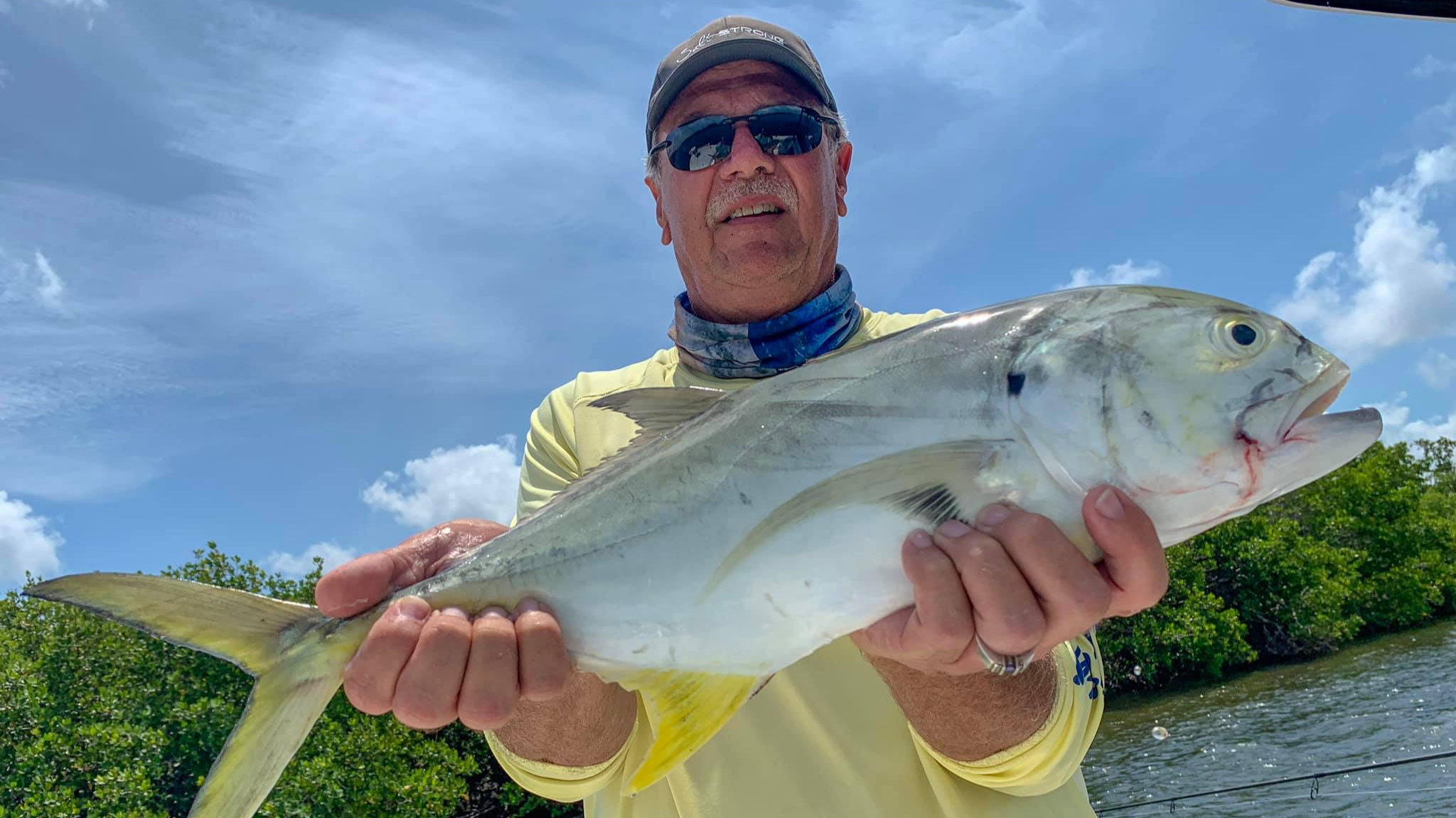
- Best Fishing Charter in Cape Coral, FL



Summary
Captain Al Harrington of All 4 Chuck Fishing Charters on Sunday February delivered excellent Spanish mackerel action using drift fishing and light tackle techniques in Cape Coral waters. The crew of six landed Spanish mackerel, trout, and a bonnethead shark during perfect February conditions. Our half-day inshore trips focus on covering water efficiently while targeting multiple species through proven sight casting and drift fishing methods. Whether you're new to saltwater fishing or an experienced angler, these Cape Coral fishing charters provide the right mix of technique and opportunity for memorable catches. Book your trip with our licensed guide and experience the kind of consistent fishing action that keeps crews returning to these productive Southwest Florida waters.
Fishing Charter with Captain Al Harrington – Rates & Booking
Captain Al Harrington of All 4 Chuck Fishing Charters on Sunday February offers half-day inshore trips perfect for groups of up to six anglers. Our Cape Coral fishing charters focus on drift fishing and light tackle techniques that consistently produce Spanish mackerel, trout, and various shark species. Trips start early to take advantage of optimal feeding times, with all fishing gear and tackle included. As a licensed local guide with years of experience in these waters, Captain Al specializes in sight casting and drift fishing approaches that let you cover water efficiently while targeting multiple species. Book online to secure your preferred date and experience quality fishing action in Southwest Florida's productive inshore waters.
Highlights of All 4 Chuck Fishing Charters
Our half-day format provides plenty of time to learn proven techniques without committing to a full day on the water. February conditions in Cape Coral offer excellent opportunities for Spanish mackerel fishing, with cooler temperatures bringing active feeding behavior. The combination of drift fishing and light tackle methods allows both beginners and seasoned anglers to enjoy success targeting multiple species in the same trip.
Captain Al's local knowledge of Cape Coral's inshore waters ensures you'll fish the most productive areas for Spanish mackerel, trout, and occasional bonnethead sharks. All necessary fishing equipment is provided, making this an ideal choice for visiting anglers or locals looking to experience professional guide service.
Local Species Insights: Spanish Mackerel
Spanish mackerel thrive in Cape Coral's nearshore and inshore waters, particularly during the cooler months when they move closer to shore following baitfish schools. These fast-swimming predators respond well to light tackle presentations and can be targeted effectively through drift fishing techniques that cover productive water efficiently. February offers prime conditions as Spanish mackerel feed actively in the comfortable water temperatures, making them an excellent target for both experienced anglers and those new to saltwater fishing.
Plan Your Fishing Charter Day
Our half-day inshore trips accommodate up to six anglers and include all necessary fishing gear, tackle, and safety equipment. Trips typically start early morning to take advantage of optimal feeding times and comfortable conditions. Captain Al provides instruction on drift fishing and light tackle techniques, ensuring everyone on board has the opportunity to learn and succeed. The boat is equipped for comfort and safety, with easy access to Cape Coral's most productive inshore fishing areas where Spanish mackerel, trout, and sharks are regularly encountered.
Fishing in Cape Coral, FL: Spanish Mackerel

Spanish mackerel (Scomberomorus maculatus) are members of the order Perciformes and family Scombridae, easily recognized by their streamlined silver bodies with dark greenish tops and distinctive yellowish oval spots along their sides. Found throughout both coasts of Florida and the Gulf of Mexico, these fast-swimming predators are prized by recreational and commercial fishers alike. In Cape Coral waters this February, Spanish mackerel provide excellent light tackle action as they follow baitfish schools into nearshore areas.
Spanish Mackerel Overview
Spanish mackerel are pelagic fish known for their speed and aggressive feeding behavior. They travel in schools and are opportunistic predators that feed primarily on small fish, squid, and shrimp. Anglers value them for their fighting ability on light tackle and their excellent table fare when prepared fresh.
Spanish Mackerel Habitat and Distribution
These fish inhabit offshore, nearshore, and inshore waters throughout the Gulf of Mexico and Atlantic coast. They prefer water temperatures between 68-85°F and are commonly found around structure, reefs, and areas with strong current flow. In Southwest Florida waters near Cape Coral, they frequent grass flats, channel edges, and nearshore reefs.
Spanish Mackerel Size and Weight
Spanish mackerel typically range from 20 to 72 inches in length, with weights from 8 to 120 pounds. Most recreational catches fall between 1-4 pounds and 14-20 inches, though larger specimens are regularly encountered in deeper waters.
Spanish Mackerel Diet and Behavior
Spanish mackerel are aggressive predators that feed on small baitfish like sardines, anchovies, and silversides, along with squid and shrimp. They hunt in schools and are most active during dawn and dusk periods. Their feeding behavior makes them excellent targets for drift fishing and light tackle presentations.
Spanish Mackerel Spawning Season
Spawning occurs in offshore waters from April through September, with peak activity during summer months. During winter months like February, Spanish mackerel move closer to shore following baitfish, making them more accessible to inshore anglers.
Spanish Mackerel Fishing Techniques
Effective techniques include drift fishing with live bait, trolling small spoons or jigs, and sight casting to surface schools. Light tackle spinning gear with 10-15 pound test line provides the best action. In February around Cape Coral, anglers find success using small jigs, live shrimp, and cut bait while drifting over grass flats and channel edges.
Spanish Mackerel Is It Good to Eat?
Spanish mackerel are excellent table fare with firm, flaky white meat and mild flavor. They're high in protein and omega-3 fatty acids while being relatively low in mercury. Best prepared fresh by grilling, broiling, or blackening to preserve their delicate texture and taste.
Spanish Mackerel Frequently Asked Questions
Q: What is the best bait for Spanish mackerel?
A: Live shrimp, small jigs, cut bait, and small spoons work well. They respond to both live and artificial presentations when fished with light tackle.
Q: Where can I find Spanish mackerel near Cape Coral?
A: Look for them around grass flats, channel edges, nearshore reefs, and areas with current flow. They often school near baitfish activity.
Q: Is Spanish mackerel good to eat?
A: Yes, Spanish mackerel have excellent flavor with firm, white meat that's high in protein and omega-3s. They're best prepared fresh.
Q: When is the best time to catch Spanish mackerel?
A: Dawn and dusk are prime feeding times. Winter months like February offer good inshore opportunities as they follow baitfish closer to shore.