%2Ffit-in%2F250x250%2Fguide_websites%2F2218%2Fimages%2F1771288041416all4chuck_logo-1.png&w=1920&q=100)
Caught a Sheepshead Inshore in Cape Coral
Sheepshead Fishing in Cape Coral, FL
%2F%2Fusers%2Ff321af39-a76a-4f06-8a15-693065676b20%2Fimages%2Fcape-coral-sheepshead-fishing-catch-3724.png&w=1920&q=75)
The Archosargus Probatocephalus belongs to the order Perciformes and family Sparidae. It typically measures between 14 and 20 inches in length, with a weight range from 1 to 8 lbs. - Habitat: onshore, nearshore, offshore, reef, wreck. - Famous for human-like teeth used to crush shellfish and crustaceans.
Fishing Charter by Captain Al Harrington in March
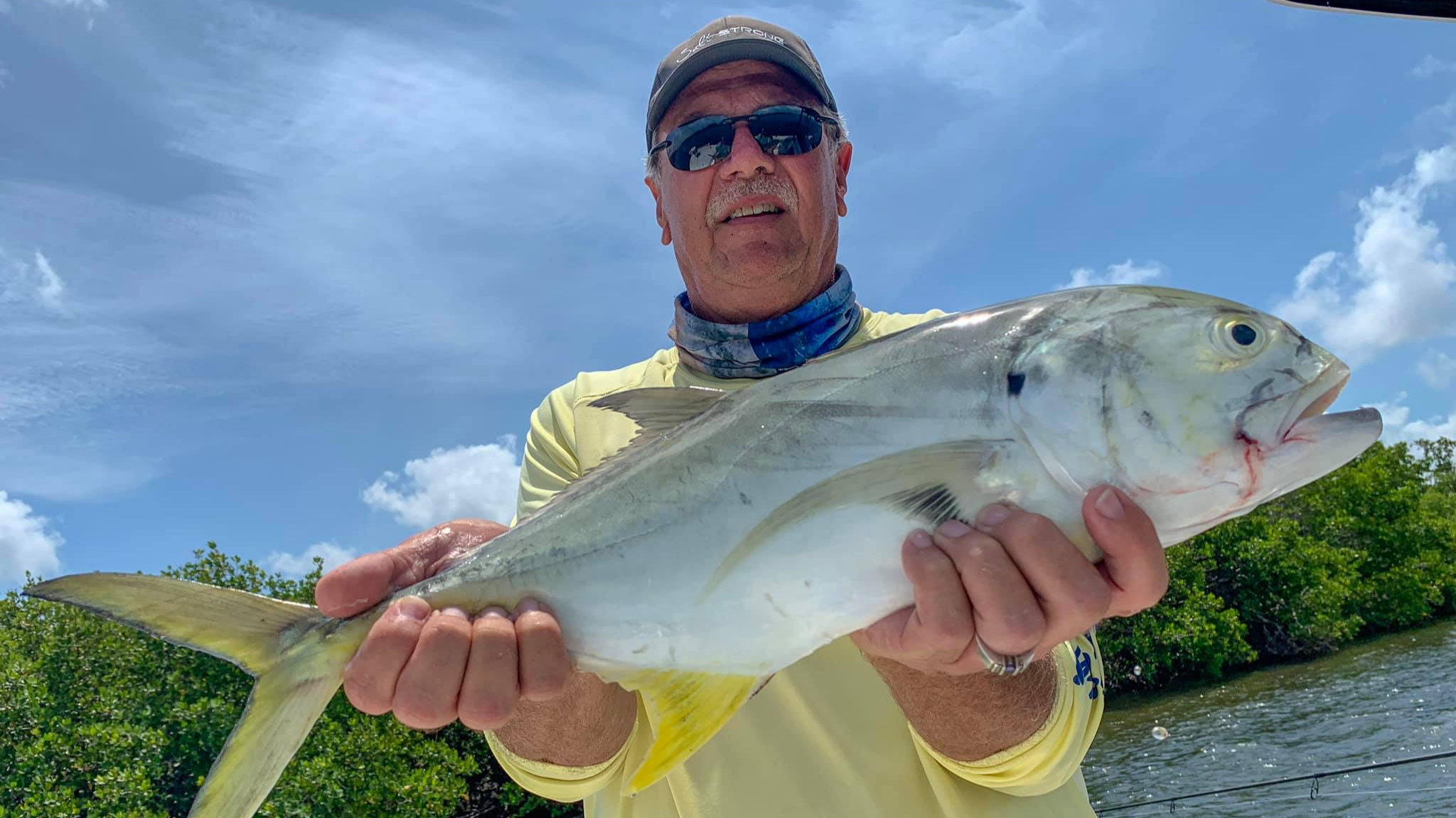
Meet your Captain Al Harrington
- Best Fishing Charter in Cape Coral, FL




Summary
Captain Al Harrington of All 4 Chuck Fishing Charters on Wednesday March delivered another productive half-day inshore fishing charter in Cape Coral's productive waters. Using proven bottom fishing and drift fishing techniques, the crew landed several sheepshead along with spotted sea trout and Spanish mackerel throughout the morning trip. The partly cloudy spring conditions created comfortable fishing weather while the consistent sheepshead bite around local structure kept rods bent. These inshore waters continue producing quality action for anglers targeting multiple species without taking up the whole day. Whether you're after sheepshead around structure or drifting for trout and mackerel, book your next fishing adventure and experience the action yourself in Cape Coral's premier fishing grounds.
Fishing Charter with Captain Al Harrington – Rates & Booking
Captain Al Harrington of All 4 Chuck Fishing Charters on Wednesday March offers half-day inshore trips targeting sheepshead, spotted sea trout, and Spanish mackerel in Cape Coral's productive waters. Our licensed guide provides all tackle and bait for bottom fishing and drift fishing techniques that consistently produce results around local structure. The spring bite has been solid with sheepshead leading the action, while trout and mackerel keep the variety high throughout each trip. Book your charter online or call for current availability and pricing on these productive half-day adventures.
Highlights of 1/2 Day Inshore Fishing
This morning charter showcased exactly why Cape Coral's inshore waters remain a top destination for multi-species fishing. The crew landed quality sheepshead using bottom fishing techniques around structure, while drift fishing produced steady action with spotted sea trout and Spanish mackerel. The partly cloudy conditions provided comfortable fishing weather, and the consistent bite kept everyone engaged throughout the trip.
Our half-day format gives you plenty of time to target multiple species without committing your entire day. The variety of techniques—from bottom fishing for sheepshead to drifting for trout and trolling between spots—ensures action for anglers of all experience levels while maximizing your time on the water.
Local Species Insights: Sheepshead
Sheepshead remain the star attraction in Cape Coral's inshore waters, with their distinctive black bars and human-like teeth making them both challenging and rewarding targets. These structure-loving fish feed heavily around docks, bridges, and reefs where they use their powerful jaws to crush barnacles, crabs, and oysters. The spring months bring consistent feeding activity as water temperatures warm, making this an ideal time to target them using bottom fishing techniques with live or cut bait around hard structure.
Plan Your Fishing Charter Day
Your half-day inshore charter includes all necessary tackle, bait, and fishing licenses for a complete Cape Coral fishing experience. We accommodate up to six anglers comfortably, with morning trips starting early to take advantage of prime feeding times. Captain Al provides local knowledge of productive structure and current conditions, while our boat is equipped for both bottom fishing and drift fishing techniques that consistently produce results in these waters.
Fishing in Cape Coral, FL: Sheepshead
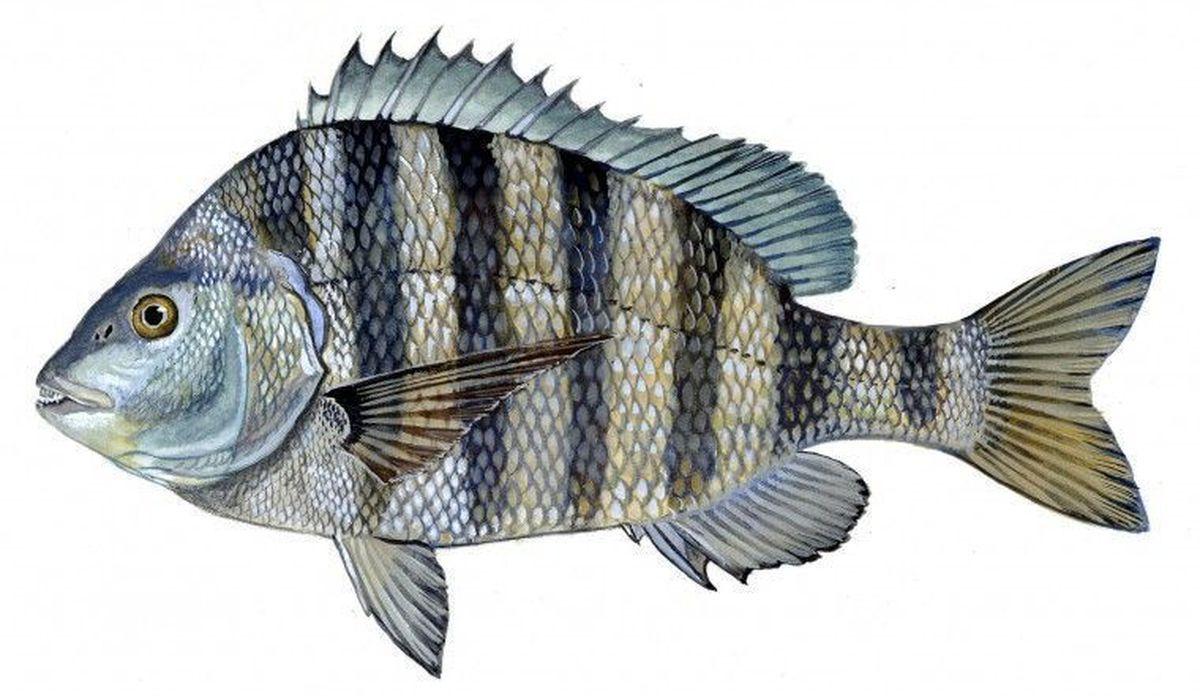
The Sheepshead (Archosargus probatocephalus) is a distinctive member of the Sparidae family and order Perciformes, easily recognized by its compressed grey body adorned with five to seven dark vertical bars that earn it the nickname "convict fish." What truly sets this species apart are its remarkably human-like teeth, perfectly adapted for crushing barnacles, crabs, and oysters around hard structure. In Cape Coral waters this March, anglers consistently find them around docks, bridges, and artificial reefs where they feed aggressively.
Sheepshead Overview
Sheepshead are prized by anglers for their challenging nature and excellent table fare. These structure-oriented fish use their powerful jaws and specialized dentition to feed on crustaceans and mollusks, making them both difficult to hook and rewarding to catch. Their wariness around structure requires precise bait presentation and patience from anglers.
Sheepshead Habitat and Distribution
These fish thrive in coastal waters from Nova Scotia to Brazil, with particularly strong populations throughout the Gulf of Mexico. Around Cape Coral, they concentrate near docks, bridge pilings, jetties, and artificial reefs where their preferred prey of barnacles, oysters, and crabs are abundant. They move between shallow inshore areas and deeper offshore structure depending on season and feeding opportunities.
Sheepshead Size and Weight
Most sheepshead caught range from 14 to 20 inches and weigh between 1 to 8 pounds, though exceptional specimens can reach 20 pounds and 35 inches. Their deep, compressed body shape makes even smaller fish feel substantial when hooked, providing excellent sport on appropriate tackle.
Sheepshead Diet and Behavior
Sheepshead are opportunistic feeders that primarily consume barnacles, oysters, crabs, shrimp, and small fish. They feed most actively during moving tides when current dislodges prey from structure. Their feeding behavior involves using their front teeth to scrape prey from hard surfaces, then crushing it with their powerful molars.
Sheepshead Spawning Season
Spawning occurs from late winter through early spring in offshore waters, typically when water temperatures reach 68-70°F. During this period, they form large aggregations over reefs and wrecks, making them more accessible to anglers before dispersing back to inshore structure.
Sheepshead Fishing Techniques
Successful sheepshead fishing requires small hooks, light leaders, and natural baits like fiddler crabs, sand fleas, shrimp, or oysters. Bottom fishing around structure with minimal weight allows bait to move naturally with the current. In March around Cape Coral, anglers find success using live or cut bait near bridge pilings and dock structures during moving tides.
Sheepshead Is It Good to Eat?
Sheepshead are considered excellent table fare with firm, white meat and mild flavor similar to snapper. The flesh is lean and flaky when cooked, making it versatile for grilling, baking, or frying. They're high in protein and omega-3 fatty acids while being relatively low in mercury compared to larger predatory fish.
Sheepshead Frequently Asked Questions
Q: What is the best bait for sheepshead?
A: Fiddler crabs, sand fleas, and fresh shrimp are top choices. Small pieces of oyster or barnacle also work well when fishing around structure.
Q: Where can I find sheepshead near Cape Coral?
A: Look for them around bridge pilings, docks, jetties, and artificial reefs where they feed on barnacles and crustaceans attached to hard structure.
Q: Is sheepshead good to eat?
A: Yes, sheepshead have excellent white, flaky meat with mild flavor that's perfect for grilling, baking, or frying. They're considered premium table fare.
Q: When is the best time to catch sheepshead?
A: Moving tides during cooler months provide the best action, with late winter through early spring being peak season when they're most active around structure.