%2Ffit-in%2F250x250%2Fguide_websites%2F2218%2Fimages%2F1771288041416all4chuck_logo-1.png&w=1920&q=100)
Trophy Redfish Caught in Cape Coral Waters
Redfish Fishing in Cape Coral, FL
4.1

10 Reviews
- 5
 10%
10% - 490%
- 3
 0%
0% - 20%
- 10%
%2F%2Fusers%2Ff321af39-a76a-4f06-8a15-693065676b20%2Fimages%2Fcape-coral-redfish-catch-7131.png&w=1920&q=75)
The Sciaenops Ocellatus belongs to the order Perciformes and family Sciaenidae. It typically measures between 30 and 61 inches in length, with a weight range from 10 to 45 lbs. Habitat: onshore, flats, backcountry, nearshore. - Redfish are also known as Red Drum and are prized game fish. - They can be identified by distinctive eyespots near the tail. - These fish have a red-colored back that fades to a white belly.
Fishing Charter by Captain Al Harrington in February
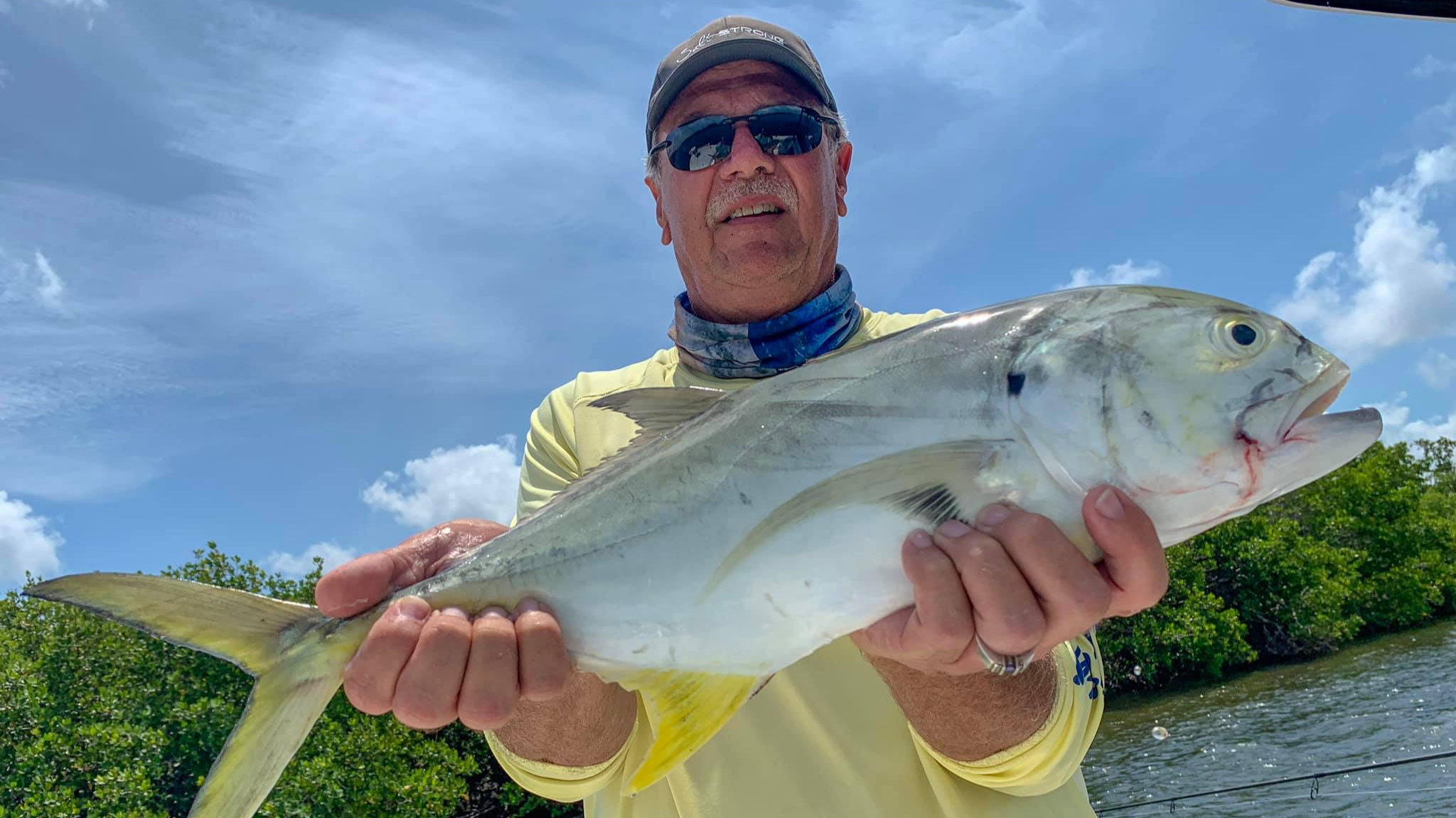
Meet your Captain Al Harrington
- Best Fishing Charter in Cape Coral, FL



Summary
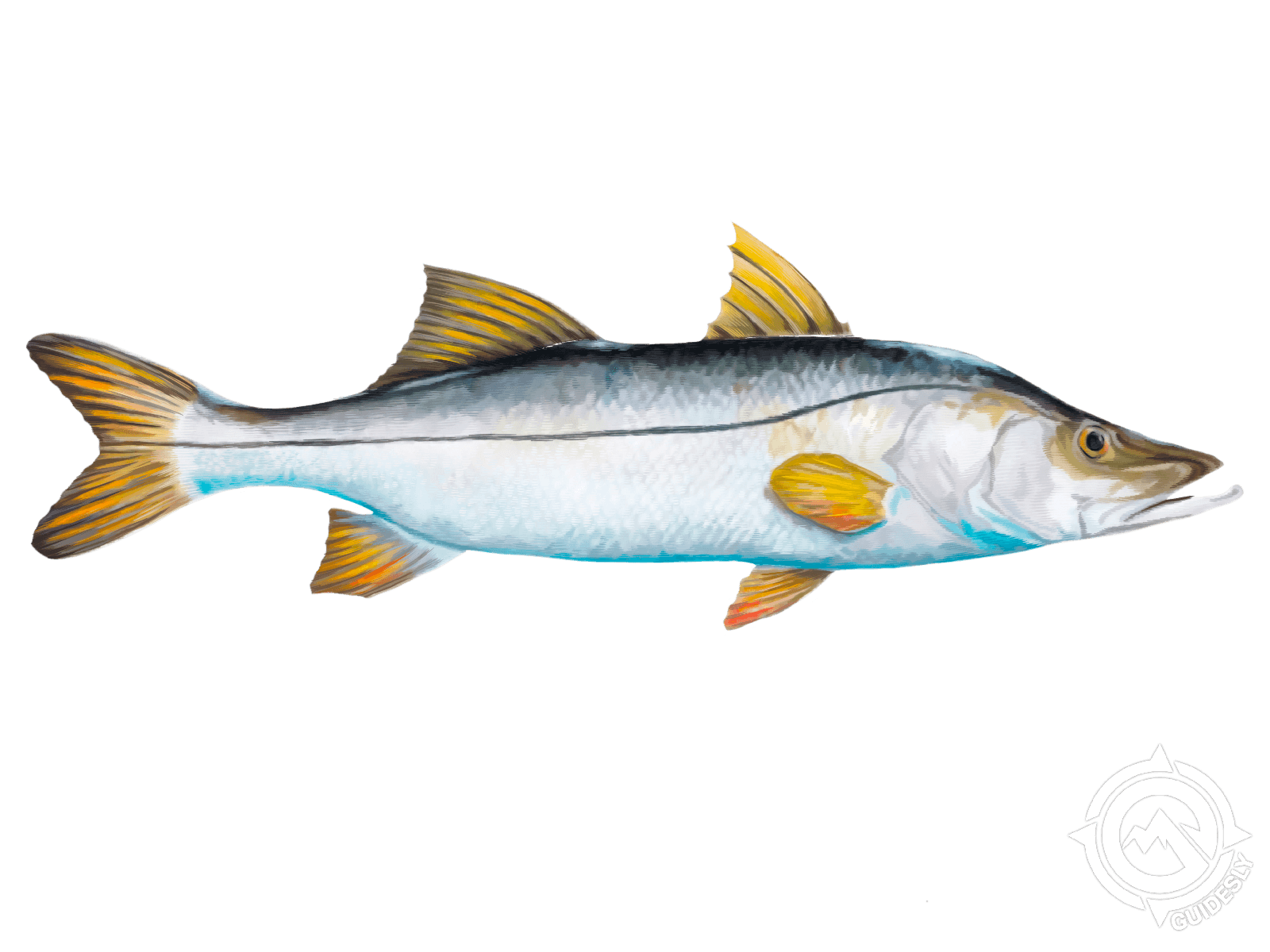
Captain Al Harrington of All 4 Chuck Fishing Charters on Thursday February offers guided inshore fishing experiences targeting redfish, snook, and black drum in Cape Coral's productive backwaters. This 4-hour charter fishing adventure takes you through Matlacha Pass and Pine Island Sound, where shallow flats and mangrove shorelines create perfect habitat for sight fishing and live bait techniques. All equipment, licenses, and live bait are included, with guests keeping their catch. The trip focuses on proven inshore fishing methods that work consistently in Cape Coral's waters, making it ideal for both beginners learning the basics and experienced anglers looking to dial in their sight fishing skills. Cape Coral's year-round fishing opportunities and calm protected waters deliver reliable action for families and serious anglers alike.
Fishing Charter with Captain Al – Rates & Booking
Captain Al Harrington of All 4 Chuck Fishing Charters on Thursday February leads 4-hour inshore fishing trips targeting redfish, snook, and black drum in Cape Coral's productive waters. This licensed guide provides all equipment, live bait, and fishing licenses, with guests keeping their catch. The charter accommodates up to 4 guests and focuses on sight fishing, live bait fishing, and drift fishing techniques in the scenic backwaters of Matlacha Pass and Pine Island Sound. Book your Cape Coral fishing adventure with this experienced local captain who knows where the fish feed and which techniques work best in these waters.
Highlights of Half Day Fishing Trip in Cape Coral, FL - Redfish, Snook and More
This guided fishing experience takes you through Cape Coral's most productive inshore waters, where shallow flats and mangrove shorelines hold redfish, snook, and black drum year-round. The trip is fully customizable to your skill level, making it perfect for families and beginners while still delivering the action experienced anglers expect. Captain Al provides expert guidance on sight fishing techniques, helping you spot fish in the clear shallow waters before making your cast.
The 4-hour duration gives you plenty of time to work different spots and techniques, from live bait fishing around structure to sight fishing the flats. Cape Coral's protected waters offer calm conditions ideal for learning, while the abundant fish population ensures consistent action throughout your trip.
Local Species Insights: Redfish
Redfish thrive in Cape Coral's shallow inshore waters, where they feed along mangrove shorelines, oyster bars, and grass flats in depths of 1-4 feet. These copper-colored fish are perfectly adapted to the area's backcountry environment, using their keen eyesight to hunt crabs, shrimp, and small baitfish in the clear shallow water. In February, redfish are active throughout the day as water temperatures remain comfortable, making them ideal targets for sight fishing techniques where you can spot their distinctive bronze backs and black tail spots before casting.
Plan Your Fishing Charter Day
Your Cape Coral fishing charter includes all necessary equipment, live bait, and fishing licenses, so you only need to bring sunscreen, snacks, and drinks. The boat accommodates up to 4 guests comfortably, with early morning start times taking advantage of the best fishing conditions. Captain Al customizes each trip based on weather, tides, and your group's experience level, ensuring everyone has a successful day on the water while learning proven inshore fishing techniques that work in Cape Coral's unique environment.
Fishing in Cape Coral, FL: Redfish
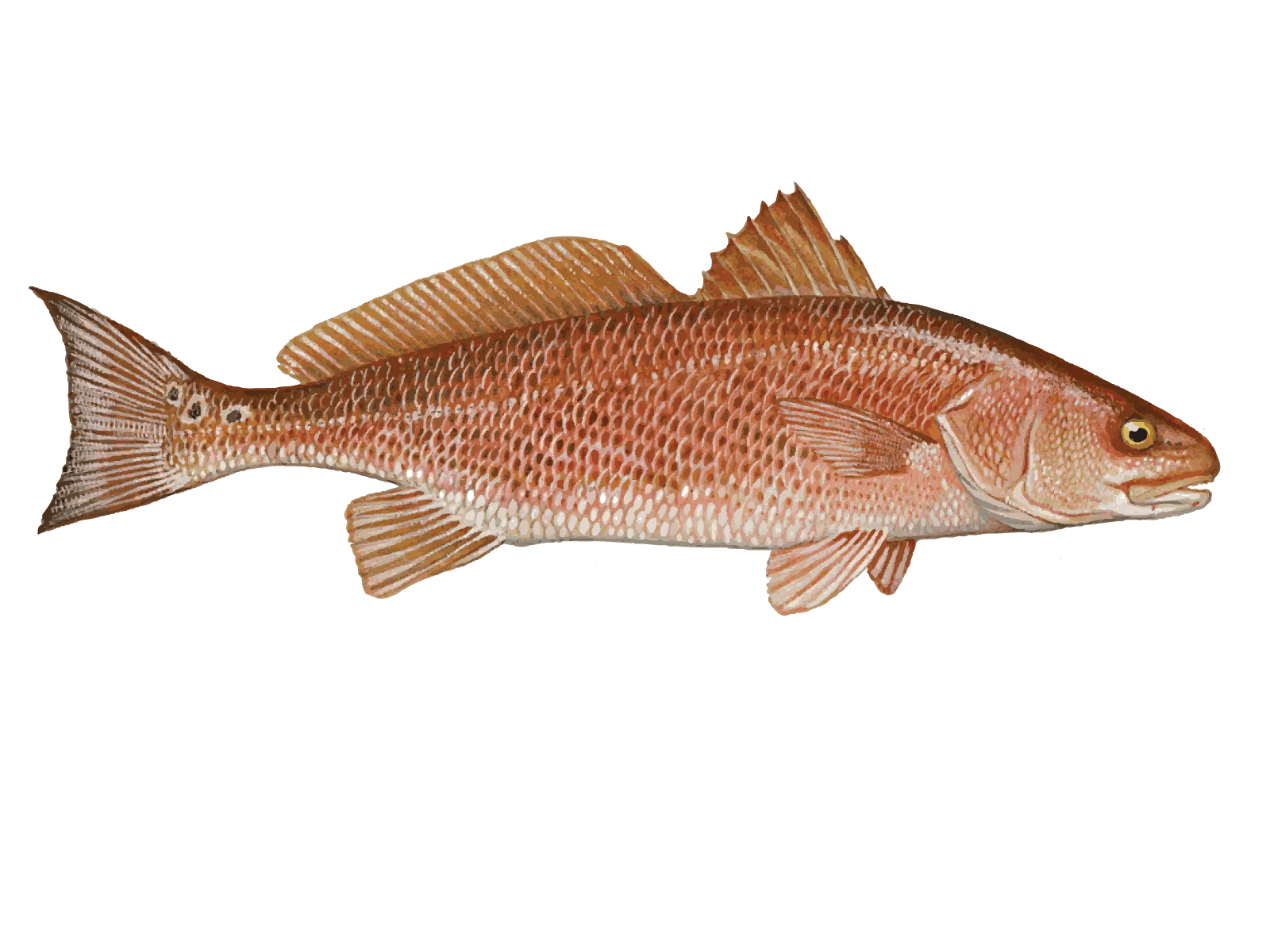
The Redfish (Sciaenops ocellatus), also known as Red Drum, is a premier game fish from the family Sciaenidae and order Perciformes. These distinctive copper-bronze fish are easily recognized by their characteristic black eyespots near the tail and their coloration that transitions from reddish-bronze on the back to white on the belly. In Cape Coral waters this February, redfish are active in the shallow flats and backcountry areas where they feed aggressively during comfortable winter temperatures.
Redfish Overview
Redfish are highly prized by anglers for their fighting ability, accessibility in shallow water, and excellent table fare. They're perfectly adapted to inshore environments, using their powerful tails and keen eyesight to hunt in waters as shallow as 12 inches. These fish are known for their distinctive drumming sound, created by muscles vibrating against their swim bladder, which gives them their "drum" nickname.
Redfish Habitat and Distribution
Redfish inhabit coastal waters from Massachusetts to northern Mexico, with Cape Coral representing prime habitat along Florida's Gulf Coast. They prefer shallow flats, mangrove shorelines, oyster bars, and grass beds where they can easily ambush prey. The protected waters around Cape Coral, Matlacha Pass, and Pine Island Sound provide ideal conditions with their mix of structure, current, and abundant forage.
Redfish Size and Weight
Redfish typically range from 30 to 61 inches in length, with weights between 10 and 45 pounds for mature fish. Slot-size redfish (18-27 inches in Florida) are most commonly targeted by anglers, while larger "bull" redfish over 27 inches are catch-and-release only to protect the breeding population.
Redfish Diet and Behavior
Redfish are opportunistic feeders that hunt crabs, shrimp, mullet, pinfish, and other small baitfish. They're most active during moving tides when prey is displaced from cover. These fish often feed in very shallow water, with their backs and tails visible above the surface as they root around oyster bars and grass flats.
Redfish Spawning Season
Redfish spawn in nearshore waters from late summer through fall, with peak activity occurring when water temperatures range from 70-85°F. During spawning, large schools of adult redfish gather in deeper water, creating spectacular fishing opportunities for those targeting trophy-sized fish.
Redfish Fishing Techniques
Effective redfish techniques include sight fishing with soft plastics, live bait fishing with shrimp or pinfish, and using topwater lures during early morning or late afternoon. In Cape Coral's clear shallow waters, anglers often spot redfish before casting, using polarized sunglasses to locate their distinctive bronze backs and tail movements. In February, anglers around Cape Coral find them concentrated near warm-water discharges and deeper holes during cooler mornings, then moving to shallow flats as temperatures rise.
Redfish Is It Good to Eat?
Redfish offer excellent table fare with firm, white meat and a mild, slightly sweet flavor. The flesh is lean and flakes easily when cooked, making it perfect for grilling, blackening, or frying. Redfish are high in protein and omega-3 fatty acids while being relatively low in mercury, making them a healthy seafood choice for families.
Redfish Frequently Asked Questions
Q: What is the best bait for redfish?
A: Live shrimp, pinfish, and mullet are top choices, along with soft plastic baits like paddle tails and scented jigs that mimic their natural prey.
Q: Where can I find redfish near Cape Coral?
A: Look for redfish around mangrove shorelines, oyster bars, and grass flats in Matlacha Pass, Pine Island Sound, and the backcountry areas accessible from Cape Coral.
Q: Is redfish good to eat?
A: Yes, redfish have firm white meat with a mild flavor that's excellent grilled, blackened, or fried, and they're high in protein and omega-3s.
Q: When is the best time to catch redfish?
A: Redfish bite year-round in Cape Coral, with moving tides and early morning or late afternoon periods typically producing the most action.
More species you can explore on this trip
All 4 Chuck Fishing Charters Available Trips
Other customer memories from this trip
Captain Al's 22-foot bay boat is built for comfort and success in Cape Coral's shallow inshore waters. With space for up to 4 anglers, this stable platform features a quiet trolling motor perfect for sneaking up on redfish in the grass flats and mangrove shorelines. The boat's shallow draft design lets us access those hidden honey holes where snook love to ambush baitfish. Equipped with live wells for fresh bait, rod holders, and plenty of storage for your catch, everything's set up to maximize your fishing time. The center console layout gives everyone room to cast without tangling lines, while the T-top provides shade during those sunny Florida mornings. Captain Al keeps the boat stocked with quality tackle and knows exactly where to position us for the best action in Matlacha Pass and Pine Island Sound.